

The Dire Reality of Noida's Factory Workers on Meager Wages
In the industrial corridors of Noida, a stark economic struggle is unfolding as factory workers attempt to survive on monthly wages that barely cover basic necessities. The situation has reached a critical point, with many employees finding it impossible to make ends meet on salaries averaging around ₹11,000 per month.
A Supervisor's Threat and a Worker's Plight
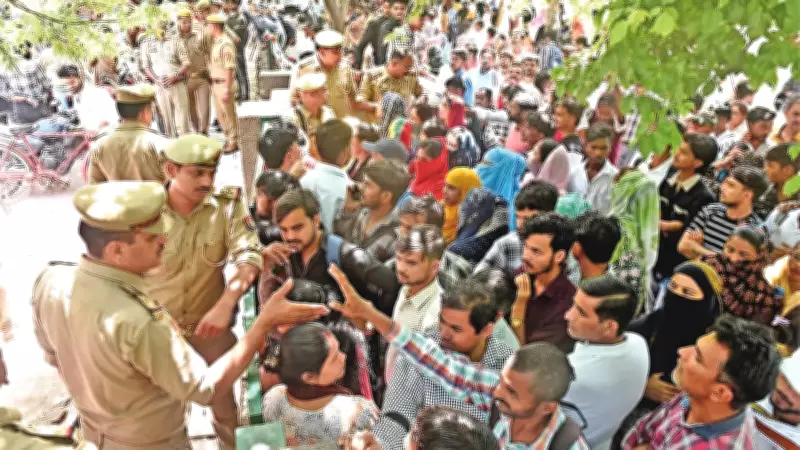
The atmosphere at one Noida factory turned tense when a supervisor issued a chilling ultimatum to workers who had participated in wage protests. "Aisa kaam karna hai toh kal se kaam pe mat aiye" (No need to come to work if you do anything like this), the supervisor declared, with police presence adding to the intimidation at the factory gates.
This warning came just two days after Pushparaj Singh, a 25-year-old worker, had joined his colleagues in walking out to demand better compensation. For Pushparaj, this protest represented three years of mounting frustration since he abandoned his BSc in agriculture studies in Kanpur and migrated to Noida, hoping to benefit from the post-pandemic economic recovery.

From Educational Aspirations to Factory Floor Reality
With his communication skills and educational background, Pushparaj had initially hoped to secure an office position in Noida's growing industrial sector. Instead, he found himself classified as an "unskilled worker" at the factory floor of Luxor, a prominent pen manufacturer.
Now working as a line reader responsible for quality checking finished products, Pushparaj earns a fixed monthly salary of ₹11,313. This amount must stretch to cover:
- His living expenses in Noida, including rent, utilities, and food
- Financial support for his family back in Kanpur
- Any unexpected medical or emergency costs
- Transportation and other daily necessities
The Impossible Math of Survival
Workers like Pushparaj are caught in an impossible financial equation. With Noida's cost of living steadily increasing, particularly for housing and basic commodities, ₹11,000 monthly wages leave virtually nothing for savings or future planning. Many workers report having to choose between sending money home to their families or paying their own rent and bills.
The situation has sparked growing labor unrest across Noida's industrial zones, with workers increasingly vocal about their inability to survive on current wage levels. As more educated youth like Pushparaj enter the factory workforce with expectations shaped by their educational investments, the gap between aspirations and reality continues to widen.
This economic pressure point in one of India's major industrial hubs highlights broader questions about wage adequacy, worker dignity, and sustainable livelihoods in the country's manufacturing sector.






