

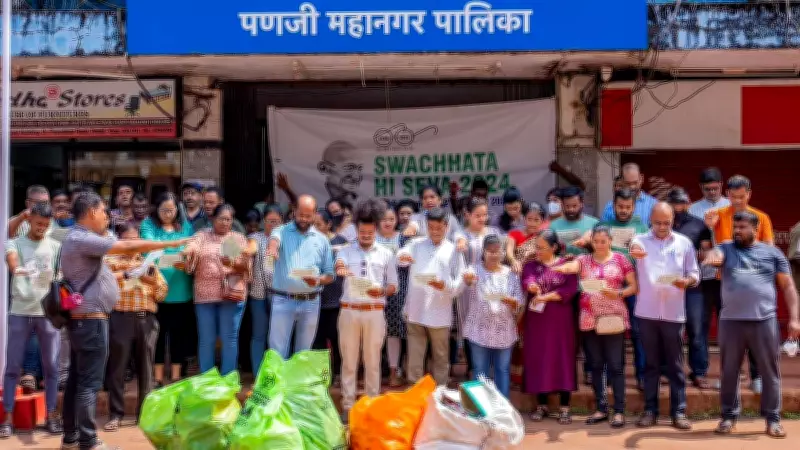
Panjim, the capital of Goa, is reimagining urban waste management with a transformative approach that moves beyond routine garbage collection. The city has adopted a zero-landfill model, turning a former problem of overflowing bins into a sustainable success story.
Innovative Waste Processing
Wet waste generated across Panjim is processed through advanced biodigesters and composting facilities. These technologies convert organic waste into useful byproducts, reducing the burden on landfills. The biodigesters break down wet waste into biogas and nutrient-rich slurry, while composting facilities turn organic matter into fertilizer.
Community and Government Collaboration
The initiative involves close collaboration between local authorities, residents, and waste management experts. Segregation at source is emphasized, with households and businesses separating wet and dry waste. Awareness campaigns and incentives have boosted participation, making the system effective.

Environmental and Economic Benefits
The zero-landfill model has significantly reduced methane emissions from decomposing waste and lowered transportation costs. The compost produced is used in public gardens and sold to farmers, creating a circular economy. Panjim's success serves as a blueprint for other Indian cities grappling with waste crises.
As urban populations grow, Panjim's approach highlights the importance of decentralized, technology-driven waste management. The city's journey from overflowing bins to a zero-landfill model demonstrates that sustainable urban living is achievable with innovation and community engagement.






