

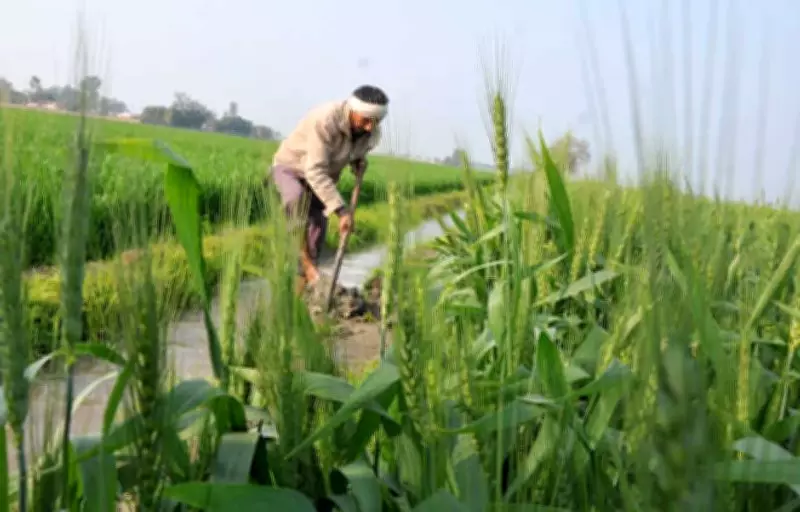
PAU Issues Critical Advisory for Farmers Amid Soaring Temperatures
In response to the escalating mercury levels across the region, Punjab Agricultural University (PAU) has released an urgent advisory, emphasizing the necessity for proper and consistent monitoring of crops. The university's experts warn that the current heatwave conditions could severely impact agricultural productivity if immediate preventive measures are not implemented by farmers.
Rising Mercury Poses Significant Threat to Crop Health
The advisory highlights that the increasing temperatures are creating a stressful environment for various crops, particularly those in their critical growth stages. This thermal stress can lead to reduced photosynthesis, water scarcity issues, and heightened vulnerability to pests and diseases. PAU scientists stress that without vigilant oversight, crop yields could see a notable decline, affecting both the economic stability of farmers and the regional food supply chain.
Key Recommendations for Effective Crop Management
To mitigate the adverse effects of the heat, PAU has outlined several essential strategies for farmers:

- Regular Irrigation: Ensure timely and adequate watering, especially during peak heat hours, to maintain soil moisture and prevent wilting.
- Pest and Disease Surveillance: Conduct frequent field inspections to detect early signs of infestations or infections, enabling prompt intervention.
- Nutrient Management: Adjust fertilizer applications based on crop needs and weather conditions to support healthy growth under stress.
- Use of Shade Nets: For high-value or sensitive crops, consider employing shade nets to reduce direct sun exposure and lower temperatures.
- Adoption of Drought-Resistant Varieties: Where possible, switch to crop varieties that are better suited to withstand heat and water scarcity.
Broader Implications for Agricultural Sustainability
This advisory is part of PAU's ongoing efforts to promote climate-resilient farming practices in Punjab. As global temperatures continue to rise due to climate change, such proactive measures become increasingly crucial. The university encourages farmers to leverage technological tools, such as weather apps and soil sensors, for more precise monitoring. Additionally, collaboration with local agricultural extension services is recommended to access real-time advice and support.
The PAU advisory serves as a timely reminder of the interconnectedness between weather patterns and agricultural outcomes. By heeding these guidelines, farmers can not only protect their current harvests but also contribute to long-term food security in the region.






