

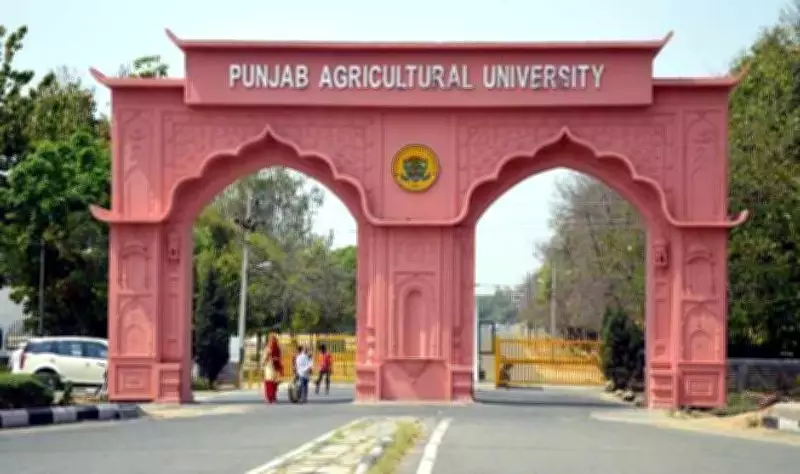
PAU Vice-Chancellor Highlights MSP as Vital for Agricultural Diversification in Punjab
In a significant statement, the Vice-Chancellor of Punjab Agricultural University (PAU) has underscored the critical role of Minimum Support Price (MSP) in driving crop diversification efforts across Punjab. This emphasis comes as the state grapples with severe water scarcity and environmental challenges linked to its current agricultural practices.
The Water Crisis and Need for Change
Punjab, often hailed as India's breadbasket, faces a deepening water crisis due to the over-reliance on water-intensive crops such as paddy. The Vice-Chancellor pointed out that this monoculture has led to alarming groundwater depletion, threatening long-term agricultural sustainability. He stressed that without a secure economic safety net, farmers are hesitant to transition away from paddy, which currently benefits from assured MSP and procurement systems.
MSP as a Catalyst for Diversification
The PAU Vice-Chancellor argued that MSP is not just a price support mechanism but a key enabler for encouraging farmers to adopt alternative crops. By extending MSP to a wider range of crops—such as maize, pulses, oilseeds, and fruits—the government can incentivize diversification. This shift would help conserve water, improve soil health, and reduce the state's ecological footprint.

- Expand MSP coverage to include more water-efficient crops to provide farmers with financial security.
- Promote crop rotation and intercropping systems to enhance biodiversity and resilience.
- Invest in research and development for high-yield, low-water crop varieties suited to Punjab's climate.
- Strengthen market linkages and infrastructure for alternative crops to ensure profitability beyond MSP.
Challenges and the Way Forward
Despite the clear benefits, implementing this strategy faces hurdles, including resistance from farmers accustomed to paddy's guaranteed returns and logistical issues in procuring diverse crops. The Vice-Chancellor called for a collaborative approach involving policymakers, agricultural scientists, and farmer communities. He emphasized that MSP, combined with supportive policies like subsidies for drip irrigation and crop insurance, can pave the way for a more sustainable agricultural model in Punjab.






