Powerloom Owners in Coimbatore and Tirupur Allege Wage Cuts Despite Recent Revision
COIMBATORE: Powerloom owners operating on a job-work basis for textile manufacturers in Coimbatore and Tirupur districts have alleged that wages have been reduced for the past two months, leading to significant financial losses. They are demanding that the recently signed wage revision be implemented with legal backing.
Federation's Statement
Speaking on behalf of the Federation of Job-Work Powerloom Owners’ Associations in Coimbatore and Tirupur, its president E Bhoopathi stated that Tamil Nadu is home to approximately five lakh conventional powerlooms, which serve as a crucial source of livelihood for poor and middle-income rural families. In Coimbatore and Tirupur districts alone, nearly four lakh families depend on this sector directly or indirectly.
Historical Context of Wage Agreements
Bhoopathi recalled that since 1990, wage agreements were typically signed every three to four years between manufacturers and weavers, helping sustain the industry. However, he noted that powerloom owners are now forced to agitate repeatedly to secure even the agreed payments.

Current Wage System
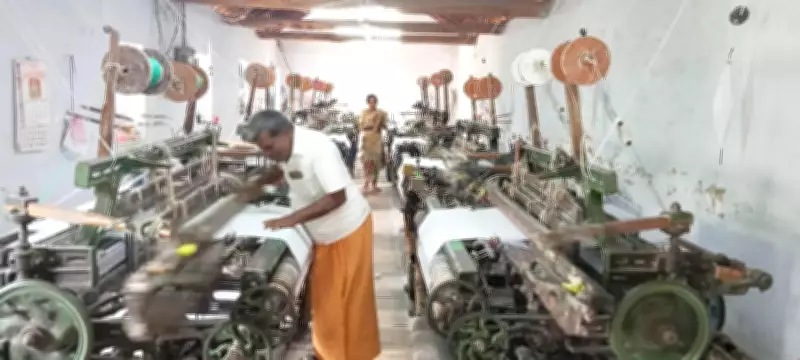
Around 90% of conventional powerlooms in the two districts operate on job-work wages. Weavers receive warp yarn from textile manufacturers and produce grey fabric (Gada). Wage revisions are usually finalized through tripartite talks involving manufacturers, weavers, and district administrations, taking into account inflation, labor costs, and electricity tariff hikes.
Wage Revision and Alleged Violations
After a gap of 10 years, a wage increase was agreed for 2025. However, manufacturers in Avinashi and Palladam have allegedly been paying reduced rates for the last two months. According to the agreement, weavers should receive Rs 4 to Rs 6 per meter depending on the fabric variety. Instead, payments are reportedly cut by 25 to 50 paise per meter.
Impact on Weavers
Bhoopathi explained that this reduction translates into losses of Rs 500 to Rs 600 per day for units that would otherwise earn around Rs 1,000, severely impacting those producing lakhs of meters. With raw material prices rising by up to 30%, the financial squeeze has intensified.
Demands and Next Steps
The federation alleged that despite the revised agreement, manufacturers cite weak market conditions and revert to old rates. They urged the state government and district administrations to ensure payment of the revised wages and to provide legal protection for enforcement. A petition has been submitted to the Tirupur district collector, who has assured that talks will be convened soon.