

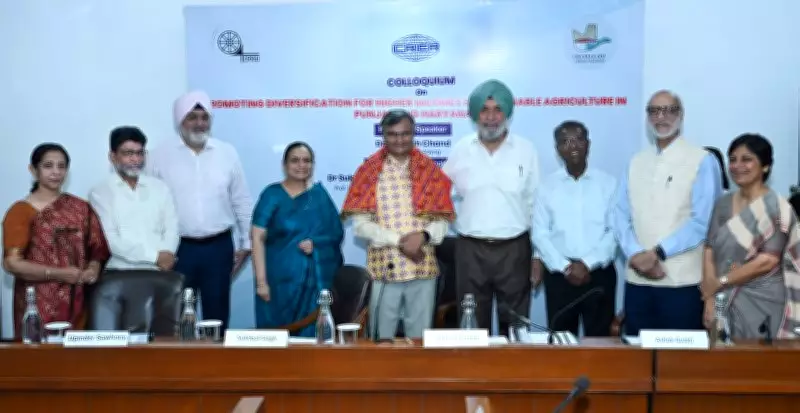
Experts Call for Overhaul of Punjab's Agricultural Policies
In a significant development for Punjab's agricultural sector, experts have strongly recommended that the state government revisit its long-standing power subsidy policy and actively promote contract farming. This call to action aims to address mounting fiscal pressures and enhance the economic well-being of farmers across the region.
Reassessing the Power Subsidy Framework
The current power subsidy scheme in Punjab, which provides free electricity to farmers for irrigation, has been a cornerstone of the state's agricultural support system for decades. However, experts argue that this policy is now placing an unsustainable burden on the state's finances. They point to escalating subsidy costs that strain the budget, potentially diverting funds from other critical areas such as infrastructure, healthcare, and education.
Key concerns raised include:

- Fiscal Drain: The subsidy contributes significantly to Punjab's debt, limiting fiscal flexibility.
- Inefficiency: Free power may lead to overuse of electricity and water, exacerbating resource depletion.
- Targeting Issues: Benefits might not always reach the neediest farmers, suggesting a need for better-targeted assistance.
Experts propose a phased approach to reform, potentially involving metered usage with subsidized rates or direct cash transfers to ensure support reaches intended beneficiaries without wasteful consumption.
Embracing Contract Farming for Economic Resilience
Alongside subsidy reforms, experts advocate for the widespread adoption of contract farming as a strategic move to stabilize farmer incomes and modernize agriculture. Contract farming involves agreements between farmers and agribusiness firms or processors, where the latter provides inputs, technical support, and a guaranteed market for the produce at predetermined prices.
Advantages highlighted by experts:
- Income Security: Farmers gain assured prices, reducing vulnerability to market fluctuations.
- Access to Technology: Contracts often include modern farming techniques and high-quality seeds, boosting productivity.
- Market Linkages: Direct ties to buyers eliminate middlemen, potentially increasing profits.
- Crop Diversification: Encourages shift from water-intensive crops like paddy to more sustainable options.
This model is seen as a way to reduce Punjab's reliance on traditional procurement systems and foster a more market-oriented agricultural economy.
Broader Implications for Punjab's Future
The recommendations come at a crucial time as Punjab grapples with challenges such as declining groundwater levels, soil degradation, and farmer indebtedness. Experts emphasize that revisiting the power subsidy and promoting contract farming could collectively contribute to sustainable agricultural practices, improved fiscal health, and enhanced rural livelihoods.
They urge policymakers to engage with stakeholders, including farmer groups and industry players, to design and implement these changes effectively. The goal is to create a resilient agricultural sector that supports both economic growth and environmental sustainability in Punjab.






