

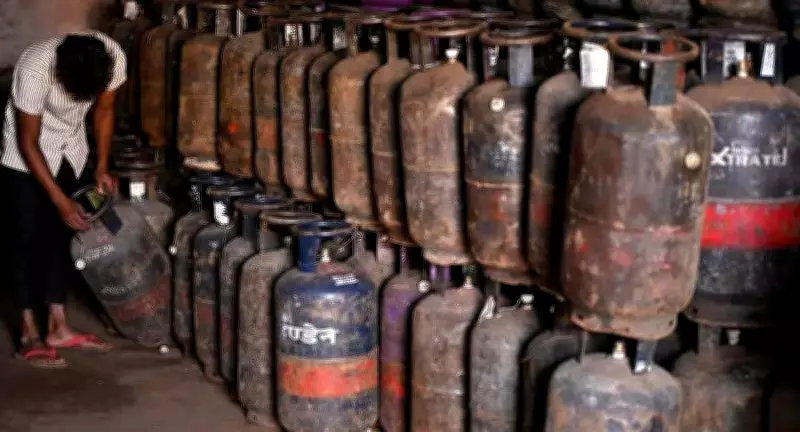
Punjab Orders Phased LPG Supply Restoration to Industries with PNG Transition Condition
In a coordinated effort with district administrations, the Punjab Food and Supplies Department has mandated a phased restoration of non-domestic LPG supply, reaching up to 70% of pre-crisis levels. This strategic move aims to stabilize industrial and commercial activities that have been severely disrupted by recent energy shortages triggered by the ongoing Middle East crisis.
Conditional Restoration with PNG Readiness Requirement
The restoration comes with a significant rider: industries seeking the enhanced LPG allocation must submit a formal undertaking confirming their readiness to transition to Piped Natural Gas (PNG). This directive follows a series of policy decisions by the Secretary of the Ministry of Petroleum and Natural Gas (MoPNG), designed to balance immediate fuel requirements with a long-term shift toward cleaner energy alternatives.
"LPG supply restoration through March this year was implemented in carefully planned stages," explained an official from the Food and Supply Department. "Oil marketing companies (OMCs) were initially instructed to supply just 20% of normal allocations. In Punjab, district-level committees led by deputy commissioners prioritized essential services including hospitals, educational institutions, hostels, and weddings, particularly daughters' weddings."

Gradual Increase Tied to Reform Implementation
The allocation was subsequently increased to 30% for states that implemented ‘Ease of Doing Business' measures, such as reducing road-cutting charges and introducing single-window clearances for PNG infrastructure. From March 23, supply was raised to 50% of pre-crisis levels, with priority extended to restaurants, dhabas, hotels, food processing units, and community kitchens.
The latest directive, issued last week, provides for a further increase to 70% of pre-crisis levels, but with the crucial PNG readiness condition. This enhanced quota specifically targets labour-intensive industries including steel, textiles, automobiles, dyeing, chemicals, and plastics.
Strict Compliance Conditions and Monitoring
The enhanced allocation comes with stringent compliance requirements. Preference is being given to industries where LPG is critical for specialized processes that cannot be easily substituted with natural gas. Industrial units must be registered with OMCs and have a pending application for PNG with the local City Gas Distribution (CGD) entity.
In Ludhiana, all non-domestic consumers are required to submit end-use certificates to distributors to prevent hoarding and diversion. The Ludhiana district administration has warned of strict action against hoarding, including immediate registration of FIRs. To support migrant labour, establishments have been advised to coordinate with gas agencies for the supply of 5-kg Free Trade LPG (FTL) cylinders to ensure easier access and reduce waiting times.
Official Confirmation and Industry Response
Himanshu Jain, Ludhiana Deputy Commissioner, confirmed: "Restoration up to 70% for commercial industry has been ordered, but only for industries that submit an undertaking of readiness for PNG."
Varinder Sharma, Director of Punjab Food, Civil Supplies and Consumer Affairs, stated: "We are working to ensure maximum supply to permissible sectors in line with MoPNG guidelines. The restoration applies only to some industrial sectors and includes a rider. Simultaneously, we urge consumers to shift to PNG wherever feasible, as it is a safer, cleaner, and more reliable alternative to imported LPG."
The phased increase in LPG allocation reflects a broader strategy to manage immediate shortages while accelerating the transition to PNG. This began with a 20% baseline during peak supply constraints, followed by reform-linked incremental increases, culminating in the 70% pre-crisis allocation announced last week. Access to the highest supply tier remains conditional upon industries demonstrating readiness to transition, including PNG application, compliance documentation, and verified end-use.

Industry Concerns and Alternative Fuel Suggestions
Vinod Vashish, National President of the All India Steel Re-rollers Association, based in Mandi Gobindgarh—Asia's Iron and Steel Town—commented: "This decision may provide slight relief, but the industry continues to suffer due to the Middle East crisis. The government should permit industries to use ‘coal gasifiers stage 1-high temperature' as an alternative fuel, as it produces no hazardous waste."
The restoration initiative represents a critical balancing act between addressing immediate industrial fuel needs and promoting sustainable energy transitions, with compliance mechanisms in place to ensure proper implementation and prevent misuse.





