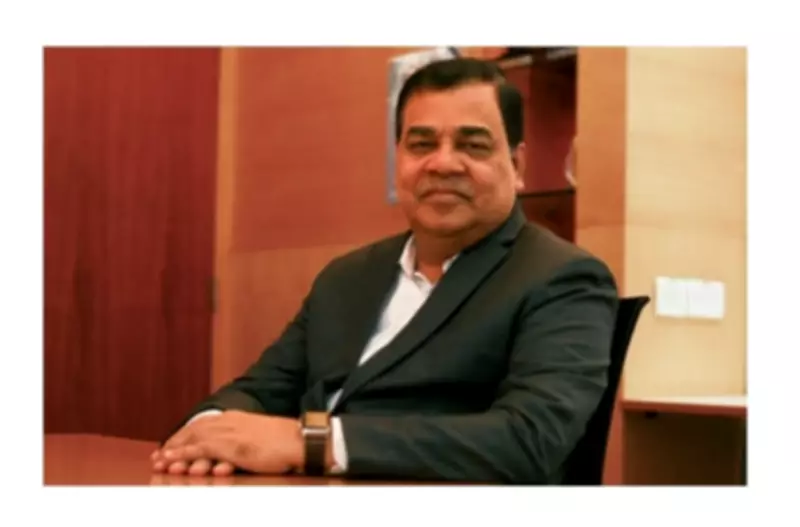
Open banking is often hailed as the future of financial services, but according to Sundararajan S., Co-Founder and CEO of i-exceed technology solutions, it is not yet a reality. With over three decades of experience in banking technology, he argues that despite significant progress, open banking still faces fundamental hurdles that prevent it from becoming mainstream.
The Vision vs. Reality
Open banking promises to give customers control over their financial data, enabling third-party providers to build innovative services. However, Sundararajan points out that most banks are still in the early stages of implementation. Many have only scratched the surface by offering basic API access, while true open banking requires seamless integration, real-time data sharing, and robust security frameworks.
Key Challenges
- Security Concerns: Banks are hesitant to expose customer data due to potential breaches and regulatory compliance. The lack of standardized security protocols across regions adds complexity.
- Interoperability Issues: Different banks use varying API standards, making it difficult for third-party developers to create universal solutions. This fragmentation slows down adoption.
- Customer Awareness: Many consumers are unaware of open banking benefits or are skeptical about sharing data. Education and trust-building are essential for widespread use.
The Path Forward
Sundararajan believes that collaboration between banks, fintechs, and regulators is crucial. Banks must invest in modernizing legacy systems, while regulators should enforce common standards. He also emphasizes the role of digital banking platforms like Appzillon, which i-exceed provides to over 125 banks in 25 countries, in bridging the gap between traditional banking and open ecosystems.

In conclusion, while open banking holds immense potential, it remains a work in progress. As Sundararajan notes, the industry must address these challenges collectively to unlock its full promise.