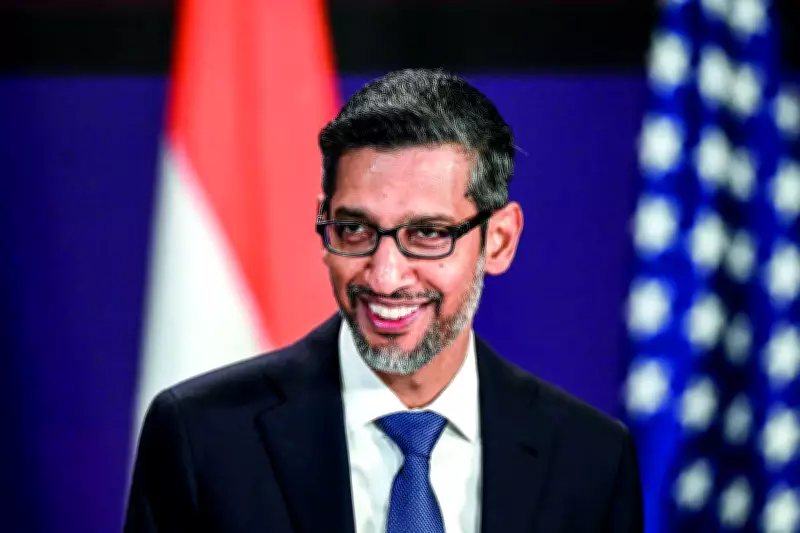
The Pentagon's head of artificial intelligence, Cameron Stanley, has confirmed that the Department of Defense (DOD) is expanding its use of Google's Gemini AI model. This marks a significant shift in the military's AI strategy, occurring just two months after the DOD dropped Anthropic over supply chain risk concerns.
Efficiency Gains Highlighted
Speaking to CNBC, Stanley acknowledged the deal and issued what he called an 'appreciation note,' suggesting the efficiency gains Gemini has already delivered. He stated, 'There's a lot of different things that are saving thousands of man hours, literally thousands of man hours on a weekly basis.' This underscores the Pentagon's view that AI is now central to modern wartime capabilities.
DOD Not Solely Relying on Google
Stanley stressed that the DOD is not solely relying on Google, noting ongoing collaborations with OpenAI and other vendors. 'Overreliance on one vendor is never a good thing,' he said, emphasizing the importance of diversification in AI partnerships.

Context of Anthropic Fallout
The Pentagon's confirmation comes amid a heated legal dispute with AI giant Anthropic. Earlier this month, a federal appeals court in Washington, D.C., denied Anthropic's request to block its blacklisting by the Pentagon. Meanwhile, a San Francisco judge separately granted a preliminary injunction preventing the Trump administration from enforcing a ban on Anthropic's Claude model. These split rulings mean Anthropic remains excluded from DOD contracts but can continue working with other agencies during litigation.
Internal Pushback at Google
The Pentagon deal has sparked controversy inside Google. More than 700 employees signed a letter to CEO Sundar Pichai, urging the company to reject classified workloads and warning that Gemini could be used in 'inhumane or extremely harmful ways.'
Preparing for Next Wave of AI
Stanley said the Pentagon is 'taking this very seriously' to ensure it is prepared for the next wave of AI-enabled capabilities. He referenced Anthropic's recent Mythos rollout as a wake-up call, citing its advanced cyber capabilities and potential risks. 'You don't cook a Thanksgiving turkey in the microwave,' Stanley added, stressing the need for the right technology for the right use case.