

Punjab's Wheat Harvest Season Threatened by Commission Agents' Strike
As Punjab enters the crucial wheat harvesting season, a significant crisis is emerging in the state's grain markets. Commission agents, known locally as arhtiyas, have announced a strike beginning April 1, potentially disrupting the entire government procurement system during this critical agricultural period.
Demand for Restoration of Commission Structure
Amandeep Singh Chhina, president of the Arhtiya Association at Bhagwanwala grain market, stated that agents are demanding the restoration of the previous commission structure of 2.5%, which was in place until 2020. The government replaced this percentage-based system with a fixed rate of Rs 45 per quintal, a change that agents claim has severely impacted their income.
"The shift to a flat rate in 2020 has led to substantial financial losses for commission agents across Punjab," Chhina explained. "At the previous 2.5% commission rate, we should be earning approximately Rs 65 per quintal, but we are currently receiving significantly less under the fixed rate system."

Historical Context and Growing Discontent
Tracing the history of commission structures, Chhina noted that agents received 2% commission until 1997, which was later increased to 2.5%. The 2020 change to a fixed rate has created widespread dissatisfaction among the agent community.
Another commission agent, speaking anonymously, highlighted the disparity between government and private procurement systems. "The financial loss is particularly evident in government procurement," the agent revealed. "Private procurement, especially for crops like paddy, still offers the traditional 2.5% commission rate. With Assembly elections approaching, the government cannot afford to ignore our legitimate demands."
Potential Scale of Disruption
According to Chhina, approximately 45,000 commission agents across Punjab are expected to participate in the strike, raising serious concerns about large-scale disruption to wheat procurement operations. The timing of the strike coincides with the peak harvesting season, making the situation particularly critical for both farmers and the state machinery.
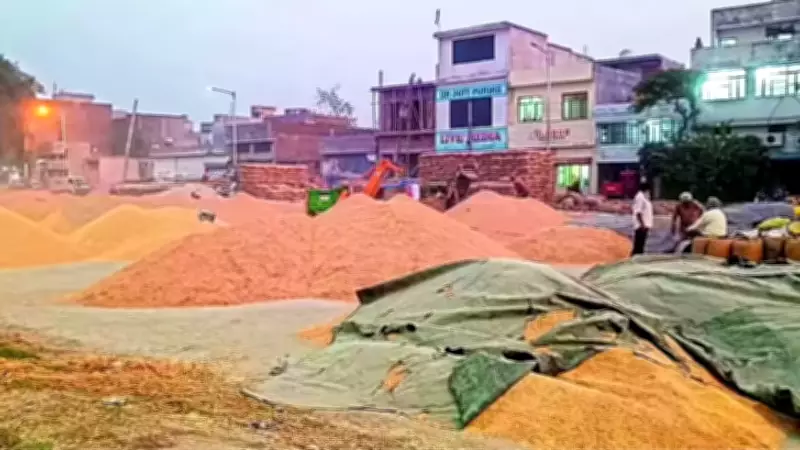
In Amritsar district alone, the grain market typically handles between 10 to 12 lakh bags during the season. Additionally, nine other major mandis operate across the district, along with several procurement centers that would be affected by the strike.
Critical Harvest Timeline
The wheat harvest timeline adds urgency to the situation. Wheat arrivals are scheduled to begin from April 13 in Amritsar, while in districts like Patiala, crops start reaching markets as early as April 3-4. This timing makes the agents' strike announcement particularly disruptive to the agricultural supply chain.
The strike threatens to create significant hardship for farmers who depend on timely procurement and payment for their harvests. It also poses challenges for the state government's procurement machinery, which relies heavily on commission agents as intermediaries in the agricultural marketing system.
As the wheat harvesting season approaches, all stakeholders are watching closely to see how this developing crisis will impact Punjab's agricultural economy and whether negotiations can prevent widespread disruption to one of India's most important food grain procurement systems.






