

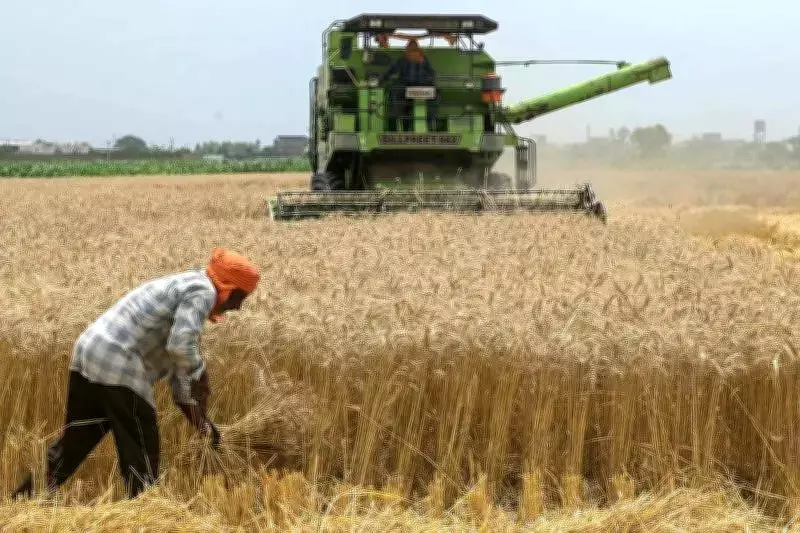
Punjab Wheat Procurement Maintains Strong Momentum, Crosses 1 Million Tonnes Again
For the second day in a row, wheat arrivals and procurement in Punjab have surged past the significant one-million-tonne threshold, according to official data released on Sunday. This robust activity underscores the peak harvesting season in the state, with procurement rates climbing steadily.
Procurement Rates Show Impressive Daily Growth
Procurement figures witnessed a notable increase of more than four percentage points within a single day. From over 84% recorded on Saturday evening, the procurement rate jumped to over 88% by the evening of April 19. Officials highlighted that on Sunday alone, purchases accounted for an impressive 99.23% of the day's total arrivals, demonstrating efficient procurement operations at the mandis.
Specifically, Sunday saw arrivals of 10,41,681 metric tonnes (MT) of wheat, with procurement reaching 10,33,755 MT. This brings the cumulative procurement to 34,16,926 MT out of total arrivals of 38,72,735 MT up to the evening of April 19. Despite this high procurement rate, unsold wheat still stood at 4,55,808 MT by Sunday evening, indicating some grain remains in the market.

Lifting of Procured Grain Lags Behind
While procurement is progressing briskly, the lifting of purchased wheat from mandis continues to face delays. As of Sunday evening, only 4,07,826 MT of the total procured wheat had been lifted, representing just 11.9% of the stock. This sluggish lifting pace raises concerns about storage and logistics management during the peak procurement period.
Officials have noted that the disparity between procurement and lifting rates could lead to congestion at mandis, potentially affecting future operations and farmer payments.
Crop Fires Spark Compensation and Insurance Demands
Amid the procurement surge, incidents of fire in standing wheat crops have become a growing concern across Punjab. Recent blazes have damaged crops in several areas, prompting state intervention.
Punjab Agriculture Minister Gurmeet Singh Khudian visited multiple affected villages in Muktsar district to assess the damage and reassure farmers. He has committed to providing compensation for losses incurred due to these fires.
These incidents have reignited calls for the implementation of a comprehensive crop insurance scheme in Punjab. Even if the state opts not to adopt the central government's Pradhan Mantri Fasal Bima Yojana (PMFBY), there is increasing pressure to establish an alternative insurance mechanism to protect farmers from such unforeseen disasters.
The combination of strong procurement numbers and ongoing challenges with grain lifting and crop safety highlights the complex dynamics of Punjab's agricultural season, with implications for food security and farmer welfare in the region.






