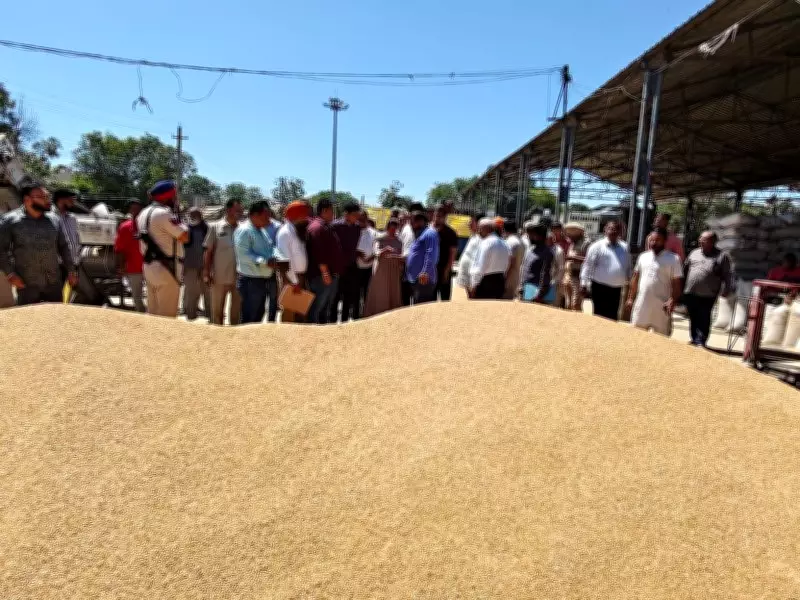
Punjab, often hailed as India's breadbasket, is currently grappling with an unusual predicament: a surplus of wheat that is straining storage capacities and causing logistical headaches. This problem of plenty, as it is termed, stems from a combination of robust production, government procurement policies, and limited storage infrastructure. The state's godowns are overflowing, with wheat stocks reaching record levels, raising concerns about spoilage and financial losses.
The Scale of the Surplus
According to recent data, Punjab's central and state godowns are holding over 200 lakh metric tonnes of wheat, far exceeding their capacity of around 150 lakh metric tonnes. This has forced authorities to store grain in the open, exposing it to potential damage from rain and pests. The procurement season has added further pressure, with the government purchasing nearly 130 lakh metric tonnes of wheat from farmers in the current season alone.
Causes Behind the Crisis
The primary driver of this surplus is the government's open-ended procurement policy, which guarantees purchase of all wheat at a minimum support price (MSP). While this ensures farmer income, it has led to overproduction and a mismatch between supply and storage. Additionally, changes in dietary habits have reduced demand for wheat in the public distribution system, as people increasingly prefer rice and other grains. Export restrictions and global trade dynamics have also limited avenues for offloading the surplus.

Impacts on Farmers and Economy
Farmers are facing delayed payments as procurement agencies struggle to manage the logistics. The state government has requested the central government to expedite lifting of stocks and provide additional storage facilities. The financial burden of maintaining huge stocks is immense, with interest costs and storage charges eating into the budget. Moreover, the environmental impact of intensive wheat cultivation, including water depletion and soil degradation, is a growing concern.
Possible Solutions
Experts suggest a multi-pronged approach: diversifying crops to reduce wheat monoculture, promoting value addition through processing industries, and expanding export markets. Investments in modern storage technologies like silos and cold storage can minimize losses. Policy reforms, such as revising MSP and procurement limits, may also be necessary to balance production with demand. The central government has announced plans to set up more warehouses and strengthen the supply chain, but implementation remains a challenge.
In conclusion, Punjab's wheat surplus is a classic case of abundance turning into a liability. While the state continues to feed the nation, it must now find sustainable ways to manage its bounty without compromising its agricultural future.