Qatar Energy Declares Force Majeure, Halts LNG Production
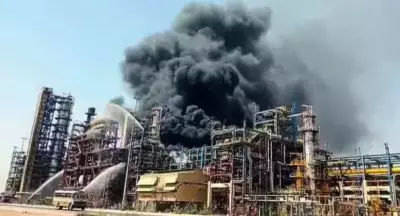
In a significant development impacting global energy markets, Qatar Energy, a major player in the liquefied natural gas (LNG) industry, has officially declared force majeure and temporarily suspended production at its LNG facilities. This move comes as a response to unforeseen operational challenges, leading to a halt in the production of this critical energy resource.
Implications for Global Energy Supply
The declaration of force majeure by Qatar Energy is expected to have far-reaching consequences on the international energy landscape. As one of the world's largest exporters of LNG, any disruption in Qatar's production capacity can lead to supply shortages and increased volatility in global markets. This halt may affect countries heavily reliant on LNG imports, potentially driving up prices and prompting a reevaluation of energy security strategies.
Force majeure is a legal clause that allows companies to suspend contractual obligations due to circumstances beyond their control, such as natural disasters, technical failures, or other emergencies. In this case, Qatar Energy has invoked this provision to manage the production stoppage, indicating the severity of the situation.

Operational Challenges and Market Response
While specific details regarding the operational issues leading to the halt have not been fully disclosed, industry analysts suggest that technical malfunctions or maintenance requirements could be contributing factors. The temporary suspension is likely to disrupt scheduled LNG shipments, causing delays and logistical complications for importing nations.
Energy markets have already begun to react to the news, with spot prices for LNG showing signs of upward pressure. Traders and investors are closely monitoring the situation, as prolonged production halts could exacerbate supply constraints, especially in regions like Europe and Asia, where demand for LNG remains high.
Broader Economic and Geopolitical Impact
The halt in LNG production by Qatar Energy underscores the interconnected nature of global energy systems and their susceptibility to disruptions. Economies dependent on stable energy supplies may face challenges, including:
- Increased energy costs for consumers and industries
- Potential slowdowns in manufacturing and production sectors
- Strained diplomatic relations with trading partners
Furthermore, this event highlights the importance of diversifying energy sources and investing in resilient infrastructure to mitigate risks associated with supply chain vulnerabilities.
Qatar Energy has assured stakeholders that efforts are underway to resolve the issues and resume production as soon as possible. However, the timeline for normalization remains uncertain, leaving markets in a state of anticipation.
In conclusion, Qatar Energy's declaration of force majeure and the subsequent halt in LNG production serve as a stark reminder of the fragility of global energy networks. As the situation unfolds, it will be crucial to observe how markets adapt and what measures are taken to ensure energy security in the face of such disruptions.