Quick Commerce and the Hidden Costs of Instant Convenience
The quick commerce sector has dramatically reshaped how urban Indians shop and consume goods. Companies promise deliveries within minutes, creating a culture of instant gratification that has captivated millions of customers across major cities. This rapid service model has fundamentally altered consumer expectations and shopping behaviors in India's metropolitan areas.
Mounting Financial Losses Threaten Viability
Despite impressive growth and widespread adoption, quick commerce platforms face severe financial challenges. Many companies report mounting losses that continue to escalate each quarter. These financial pressures stem from high operational costs, including expensive last-mile delivery infrastructure and aggressive customer acquisition strategies.
Investors initially poured billions into these ventures, betting on their potential to dominate India's retail landscape. However, the path to profitability remains elusive for most players in this space. The sustainability of their business models now faces serious scrutiny from analysts and stakeholders alike.

Worker Strain and Exploitation Concerns
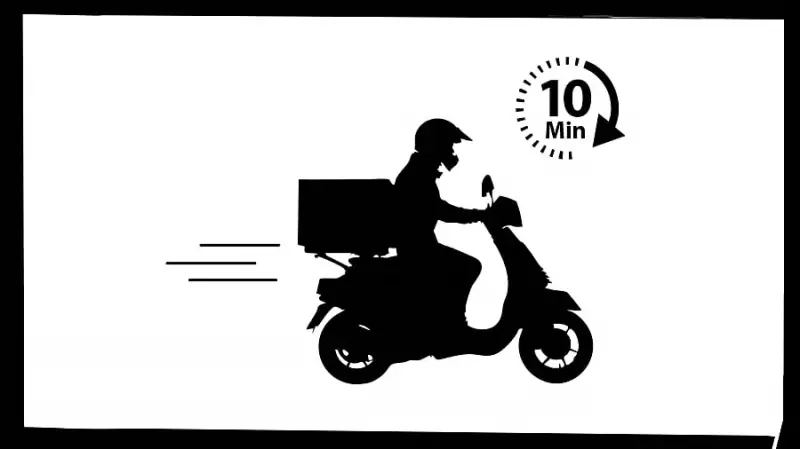
Behind the promise of ten-minute deliveries lies a workforce facing significant strain. Delivery personnel often work under intense pressure to meet unrealistic timelines. Many report inadequate compensation for their demanding work schedules and challenging conditions.
Safety concerns have emerged as another critical issue. Delivery workers frequently navigate congested urban traffic at high speeds to maintain promised delivery windows. This creates dangerous working conditions that have led to numerous accidents and injuries across Indian cities.
Urban Consumption Patterns Transformed
Quick commerce has undeniably transformed urban consumption patterns in India. Consumers now expect immediate access to everything from groceries to electronics. This shift has particularly impacted traditional retail stores and local markets that cannot compete with such rapid service.
The convenience factor has created new shopping behaviors, with customers making smaller, more frequent purchases rather than weekly or monthly shopping trips. This change affects everything from household budgeting to inventory management for suppliers and producers.
The Future of Instant Delivery Services
Industry experts question whether the current quick commerce model can survive without significant changes. Some suggest consolidation might occur as weaker players exit the market. Others propose that companies must develop more sustainable practices to ensure long-term viability.
Regulatory attention is increasing as concerns about worker welfare and market practices grow. Government bodies may implement new guidelines to protect delivery personnel and ensure fair competition in this rapidly evolving sector.
The quick commerce revolution has certainly delivered convenience to urban Indian consumers. However, the true costs of this instant gratification model are becoming increasingly apparent. The sector must address its financial sustainability and human resource challenges to survive beyond its current explosive growth phase.