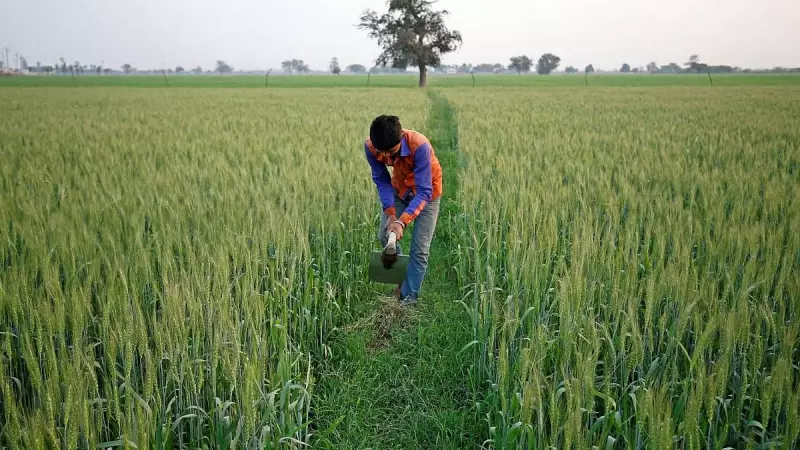
Farmers across India are witnessing a significant rise in rabi crop sowing this season. The latest data shows a robust 17% increase compared to previous years. This positive trend signals a strong agricultural output for the coming months.
Key Drivers Behind the Sowing Surge
Several factors contribute to this impressive growth in rabi crop sowing. Favorable weather conditions have played a crucial role. Timely rainfall and suitable temperatures created ideal planting environments. Government initiatives also provided essential support to farmers.
Impact on Agricultural Productivity
The 17% increase in sowing directly boosts farm productivity. More land under cultivation means higher yields of rabi crops like wheat, pulses, and oilseeds. This enhancement strengthens India's food security and rural economy.

Experts highlight the importance of this trend. Increased sowing leads to better harvests, which can stabilize food prices. Farmers benefit from improved incomes and reduced dependency on imports.
Regional Variations and Crop Focus
Different states show varied performance in rabi sowing. Northern regions report strong progress with wheat cultivation. Southern areas focus more on pulses and oilseeds. This diversity ensures a balanced agricultural output nationwide.
Monitoring continues to track sowing progress and potential challenges. Authorities remain vigilant to support farmers through the growing season. The overall outlook remains positive for rabi crop production.