

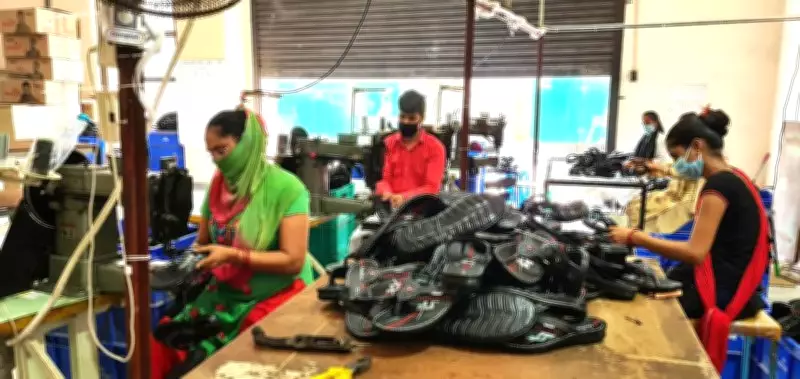
Haryana's Rohtak-Bahadurgarh Industrial Belt Faces Mounting Pressures
The industrial corridor spanning Rohtak and Bahadurgarh in Haryana is grappling with a severe economic downturn, as businesses report unsustainable increases in operational expenses coupled with a critical shortage of skilled and unskilled labor. This dual challenge is forcing many units to scale back production or consider relocation, raising alarms about the region's industrial viability and employment prospects.
Spiraling Costs Cripple Manufacturing Units
Factory owners and managers across the belt cite a sharp rise in input costs as a primary concern. Raw material prices have surged by approximately 20-30% over the past year, driven by global supply chain disruptions and domestic inflationary trends. Additionally, energy expenses, including electricity and fuel, have climbed steadily, squeezing profit margins for small and medium enterprises (SMEs) that dominate the area.
"We are operating at a loss on many orders because our cost calculations from six months ago are now obsolete," explained a textile unit owner in Bahadurgarh. "The government's policies on tariffs and subsidies are not keeping pace with market realities, leaving us vulnerable."

Labor Migration Exacerbates Operational Woes
Compounding the financial strain is a significant exodus of workers from the region. Migration to urban centers like Delhi-NCR and other states in search of better wages and living conditions has left industries struggling to maintain adequate staffing levels. This labor shortage is particularly acute in sectors such as manufacturing, construction, and logistics, where manual labor is essential.
- Many migrant workers who previously fueled the local economy have returned to their home states post-pandemic, reluctant to come back due to high living costs in Haryana.
- Local youth are increasingly opting for service-sector jobs or moving abroad, reducing the pool of available talent for industrial roles.
- The remaining workforce demands higher salaries to offset inflation, further inflating operational costs for businesses.
Impact on Local Economy and Employment
The crisis is rippling through the broader economy, with potential long-term consequences. Job losses are mounting as factories cut shifts or shut down temporarily, affecting thousands of families dependent on industrial employment. Local vendors and service providers, from transportation to catering, are also feeling the pinch as industrial activity slows.
"If this trend continues, we risk deindustrialization in a region that has been a hub for decades," warned an industry association representative from Rohtak. "Urgent intervention is needed to stabilize costs and attract labor back to the area."
Calls for Government and Policy Support
Stakeholders are urging both state and central governments to implement targeted measures to alleviate the burden. Key recommendations include:
- Providing subsidies or tax breaks on raw materials and energy for SMEs to reduce cost pressures.
- Launching skill development programs to train local residents for industrial jobs, reducing reliance on migrant labor.
- Improving infrastructure and housing facilities to make the region more attractive for workers, thereby curbing migration.
- Reviewing and adjusting policies related to industrial regulations and incentives to foster a more competitive environment.
Without such interventions, experts caution that the Rohtak-Bahadurgarh belt could see a permanent decline in its industrial base, with ramifications for Haryana's overall economic growth and employment statistics.






