

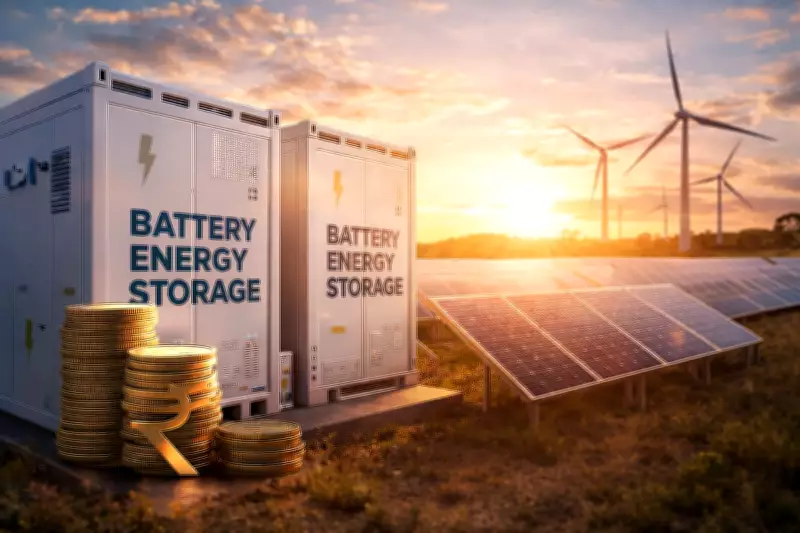
Strategic Rs 50 Crore Investment Poised to Revolutionize India's Energy Sector
In a move that could significantly reshape India's energy landscape, a strategic investment of Rs 50 crore has been directed towards advanced energy storage solutions. This initiative, though relatively modest in financial terms, holds the potential to quietly power the nation's transition to a more sustainable and resilient energy future.
Enhancing Grid Stability and Renewable Integration
The investment focuses on developing and deploying cutting-edge energy storage technologies, such as battery storage systems and other innovative solutions. These technologies are critical for addressing the intermittent nature of renewable energy sources like solar and wind power. By storing excess energy generated during peak production periods, these systems can release it during times of high demand or low generation, thereby ensuring a stable and reliable power supply.
This approach is essential for India's ambitious renewable energy targets, which aim to increase the share of renewables in the energy mix. Improved grid stability reduces reliance on fossil fuels, lowers carbon emissions, and supports the country's commitments to climate change mitigation under global agreements.

Economic and Environmental Implications
The Rs 50 crore move is not just about technological advancement; it carries significant economic and environmental benefits. By enhancing energy storage capabilities, India can reduce its dependency on imported fossil fuels, leading to cost savings and improved energy security. Additionally, the deployment of these technologies can create new job opportunities in the manufacturing, installation, and maintenance sectors, contributing to economic growth.
From an environmental perspective, better integration of renewables through effective storage solutions helps decrease air pollution and greenhouse gas emissions. This aligns with India's broader goals of promoting clean energy and achieving sustainable development, as outlined in various national policies and international forums.
Challenges and Future Prospects
Despite the promising outlook, the implementation of advanced energy storage in India faces several challenges. These include high initial costs, technological barriers, and the need for supportive regulatory frameworks. However, the Rs 50 crore investment is a step towards overcoming these hurdles by funding research, development, and pilot projects that can demonstrate the viability and benefits of storage solutions.
Looking ahead, this strategic move could pave the way for larger-scale investments and collaborations between the public and private sectors. As technology advances and costs decline, energy storage is expected to play an increasingly vital role in India's energy ecosystem, supporting everything from rural electrification to urban smart grids.
In conclusion, while the Rs 50 crore investment might seem quiet on the surface, its impact on India's energy future could be profound. By enabling better management of renewable resources and enhancing grid reliability, this initiative positions India to lead in the global shift towards sustainable energy, ensuring a cleaner and more secure power supply for generations to come.






