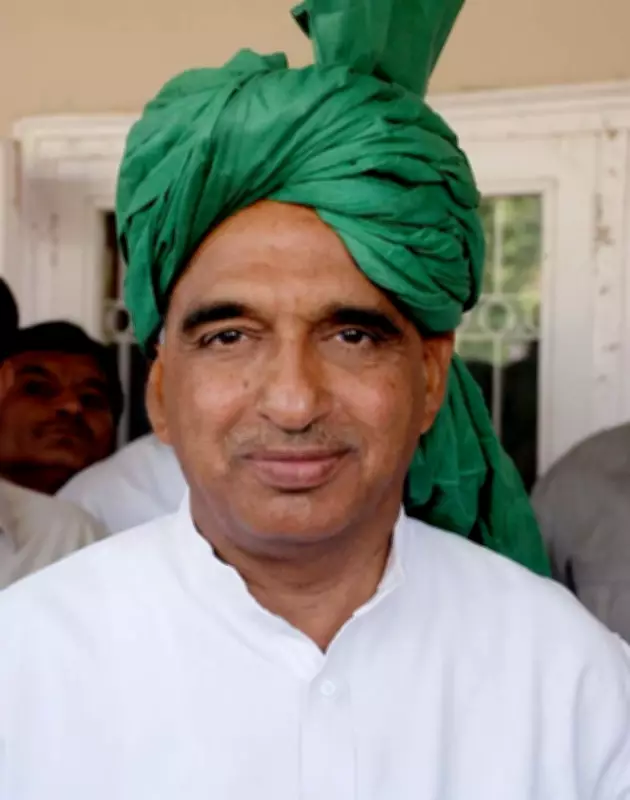
Former Haryana Finance Minister Prof Sampat Singh has formally opposed the application by Eleven Power Private Limited seeking a distribution licence for Gurugram and Nuh districts, calling the move a “backdoor privatisation” that could undermine the financial stability of the state’s public power utility and hurt agricultural and rural consumers.
Objections Filed Before HERC
In a 24-page submission before the Haryana Electricity Regulatory Commission (HERC), Singh argued that granting the licence would jeopardise the financial viability of Dakshin Haryana Bijli Vitran Nigam (DHBVN) by allowing the private company to target only high-paying industrial, commercial and urban consumers. This, he said, would leave the public utility with the burden of serving agricultural, rural and economically weaker consumers, thereby weakening the cross-subsidy mechanism that has kept electricity affordable for decades.
Singh contended that the proposal does not comply with mandatory statutory and regulatory requirements and is contrary to public interest. He urged the Commission to reject the petition outright.

Financial Viability Concerns
Singh highlighted that Eleven Power Private Limited was incorporated only in June 2025 with a paid-up share capital of just Rs 1 crore, yet it proposes to execute a project estimated at Rs 4,716.73 crore, requiring an equity contribution of Rs 1,415.02 crore. He alleged that the company had relied on the market value of shares of its holding entity, rather than audited book value, to project its financial strength.
“The private company’s entry would imperil the financial viability of DHBVN by allowing it to target only high-paying industrial, commercial and urban consumers, while leaving the public utility with the burden of serving agricultural, rural and economically weaker consumers,” Singh said.
Impact on Cross-Subsidy and Tariffs
The former minister warned that such “cherry-picking” would weaken the cross-subsidy mechanism, eventually leading to tariff pressure on consumers and an increased subsidy burden on the state government. He noted that Gurugram alone contributes more than 42 per cent of DHBVN’s total revenue while recording the lowest distribution losses.
“Granting a parallel licence in the state’s most profitable electricity market would amount to privatising profits while socialising losses,” he said.
Duplication and Operational Complexities
Singh argued that Haryana already has a comprehensive electricity distribution network through DHBVN and UHBVN. Introducing another distribution licensee would result in duplication of infrastructure, metering systems, consumer service arrangements and administrative expenditure, besides creating right-of-way disputes and operational complexities.
The submission also highlighted the substantial public investment already made in Haryana’s power sector, including the Gurugram Smart Grid project, smart metering initiatives, distribution modernisation and reforms undertaken under the UDAY scheme.