

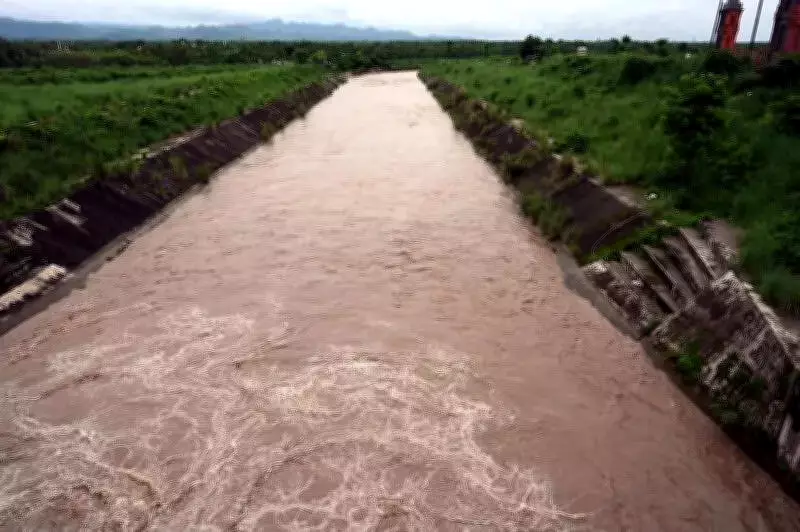
Major Canal Breach in Sirsa Submerges 80 Acres of Wheat Crops, Farmers Demand Action
In a significant agricultural setback, approximately 80 acres of standing wheat crop have been completely submerged and damaged following a breach in the Tejakhera minor canal in the Dabwali area of Sirsa district. The incident, which occurred on Friday, has sparked outrage among local farmers who are alleging severe negligence on the part of the state irrigation department.
Details of the Canal Breach and Immediate Impact
According to detailed reports from the ground, the breach originated near an old brick kiln close to Abubshahar village. The Tejakhera minor canal, which draws its water from the Maujgarh head, developed a significant rupture that rapidly widened to nearly 15 feet. This created an uncontrolled torrent of water that rushed into adjacent agricultural fields, inundating the valuable wheat crops just before harvest.
Farmers reported making frantic calls to irrigation department officials at multiple levels, but their pleas for assistance went completely unanswered. The critical delay in any official response allowed the breach to expand and the flooding to intensify, turning a manageable situation into a full-blown agricultural disaster.

Farmers' Desperate Efforts and Allegations of Systemic Failure
Faced with no immediate help from authorities, the affected farmers took matters into their own hands. They attempted to plug the breach using sandbags and even deployed a JCB machine in a desperate bid to stem the flow. However, the powerful water current proved too strong for these makeshift measures.
Local cultivators, including Gurpreet Singh, Gora Singh, and Vijender Saharan, provided crucial context for the disaster. They revealed that the minor canal had not undergone desilting operations for several years, which they identified as the primary cause of the breach. They further explained that trees lining the canal banks had collapsed during recent strong winds, obstructing the water flow and causing it to overflow towards the Kala Teetar side.
A Pattern of Neglect and Compounding Losses
This incident is not an isolated one for the farmers of this region. They pointed out that just on March 16, a separate breach in the Bhakra Main Branch canal near Kala Teetar had already damaged nearly 150 acres of crops. The community was still grappling with the financial and emotional toll of that earlier disaster when this new breach struck, compounding their losses and despair.
The sequence of events has fueled deep anger and frustration. Farmers are now demanding immediate government intervention, specifically calling for a special girdawari (official crop assessment survey) to be conducted without delay. Their primary demands include full and fair compensation for the destroyed wheat crop and for the damage inflicted on agricultural infrastructure like tubewells, which are essential for irrigation.
This incident highlights ongoing issues of canal maintenance and disaster responsiveness in key agricultural zones, raising serious questions about the preparedness and accountability of irrigation authorities in safeguarding farmer livelihoods.






