Sirsa's Remarkable Transformation into an Electric Vehicle Powerhouse
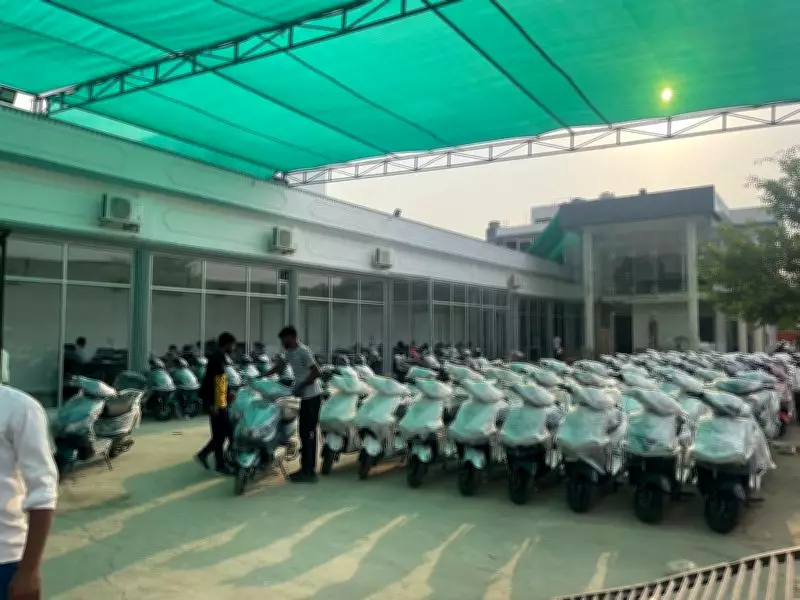
Sirsa district in Haryana, traditionally known for its fertile agricultural lands, is undergoing a significant industrial metamorphosis. It is rapidly emerging as a prominent hub for electric vehicle (EV) manufacturing, marking a strategic shift from fields to factories. This evolution is reshaping the local economy and positioning Sirsa as a key player in India's green mobility sector.
From Agricultural Heartland to Industrial Epicenter
Historically, Sirsa's economy has been heavily reliant on agriculture, with crops like cotton, wheat, and mustard dominating the landscape. However, recent years have witnessed a deliberate pivot towards industrial development, particularly in the automotive sector. The district's strategic location, coupled with supportive government policies, has catalyzed this transition, attracting substantial investments in EV production facilities.
Key factors driving this growth include:

- Proximity to major markets: Sirsa's accessibility to northern Indian cities enhances logistics and distribution networks.
- Skilled workforce: The local population, initially engaged in farming, is now being trained for technical roles in manufacturing.
- Infrastructure development: Improved road connectivity and industrial zones have facilitated the establishment of EV plants.
Economic Impact and Job Creation
The rise of EV manufacturing in Sirsa is generating significant economic benefits. New factories are not only boosting the district's industrial output but also creating numerous employment opportunities. From assembly line workers to engineers, the sector is diversifying the job market, reducing dependency on agriculture and fostering sustainable livelihoods.
This industrial expansion aligns with broader national goals, such as:
- Promoting clean energy and reducing carbon emissions through electric mobility.
- Strengthening India's position in the global EV supply chain.
- Encouraging regional development by decentralizing industrial growth.
Challenges and Future Prospects
Despite the progress, Sirsa faces challenges like ensuring consistent power supply for manufacturing and managing environmental impacts. However, with ongoing investments in renewable energy and waste management, the district is poised to overcome these hurdles. The future looks promising, with plans for expanding EV component production and integrating advanced technologies like battery recycling.
In conclusion, Sirsa's journey from an agricultural region to an EV hub exemplifies how strategic industrial policies can transform local economies. This shift not only enhances Haryana's industrial landscape but also contributes to India's vision of a greener, more sustainable future in transportation.