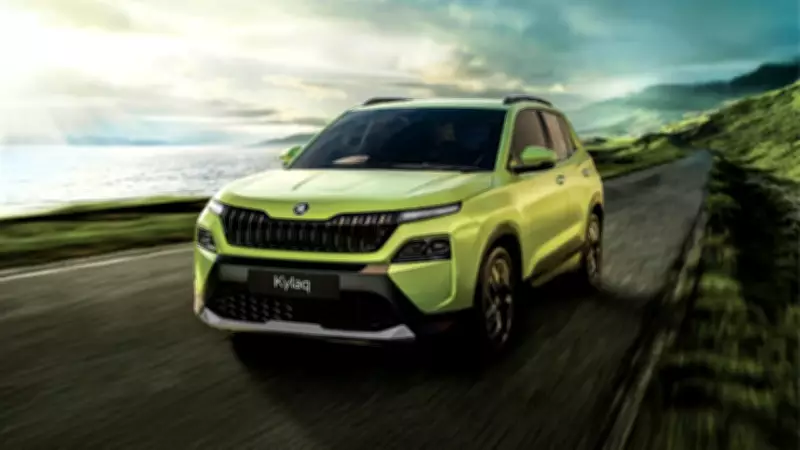
Skoda Kylaq Achieves 50,000-Unit Production Milestone in India Within a Year
Skoda Kylaq has successfully crossed the significant production milestone of 50,000 units in India within just one year of its launch. This achievement marks a pivotal moment for the Czech automaker, as the Kylaq has played a crucial role in driving the Group's impressive 36 per cent year-on-year growth in 2025. The robust performance has been bolstered by the expansion of Skoda's India operations and increased levels of localisation, which have enhanced cost efficiency and market responsiveness.
Strategic Entry and Market Traction
Skoda made its strategic entry into India's highly competitive sub-compact SUV segment with the launch of the Kylaq on December 2, 2024. Since its introduction, the model has garnered strong market traction, quickly emerging as a volume driver for the brand. Customer deliveries commenced on January 27, 2025, and the vehicle has since established itself as a key player in the segment, appealing to a broad audience with its practical design and competitive features.
Key Factors Behind the Kylaq's Success
This milestone underscores a significant shift in fortunes for Skoda in India, where the brand had previously struggled to achieve sustained scale despite a strong global portfolio. A primary factor behind the Kylaq's success has been its timely entry into the sub-compact SUV segment, where demand was already well-established at the time of launch. Rather than relying on novelty, Skoda focused on core attributes that resonate with Indian consumers.

The Kylaq's design adheres to the brand's clean and sharp styling while remaining familiar enough to attract buyers upgrading from hatchbacks and compact sedans. This approach has helped it appeal to a wider audience, including first-time SUV buyers and those seeking reliable family vehicles.
Competitive pricing has also been central to its appeal. Departing from the perception of earlier Skoda models being premium-priced, the Kylaq was launched with an aggressive price tag and a well-structured variant lineup. The mechanical package further strengthened its case, featuring established powertrain options, predictable performance, and suspension tuning specifically suited to Indian road conditions, addressing key concerns around everyday usability.
Enhancements in Localisation and After-Sales Support
Improvements in localisation and after-sales support have complemented the product's strengths. Increased local sourcing has helped manage costs effectively, while simpler service plans, extended warranties, and revised maintenance packages have alleviated long-standing worries about ownership expenses. These measures have built confidence among new buyers and encouraged repeat interest, contributing to sustained sales momentum.
Future Prospects and Challenges
The 50,000-unit milestone signals more than just short-term demand; it represents a potential turning point for Skoda in India, demonstrating that a combination of pricing discipline, practical product choices, and focused execution can deliver the scale the brand has pursued for years. However, to sustain growth in the highly competitive compact SUV market, Skoda will need to implement periodic design and interior updates, along with meaningful feature additions that keep pace with fast-evolving segment expectations.
Ashish Gupta, Brand Director at Škoda Auto India, commented on the Kylaq's success, stating, "The Kylaq was introduced as an important step in Škoda Auto India's long-term growth strategy, marking our entry into the sub-4m SUV segment with a product designed to broaden the brand's appeal. As our first SUV in this segment, the Kylaq has built strong momentum to become our best-selling model within a year, crossing the 50,000 sales milestone and contributing meaningfully to the brand's sales performance in 2025."

Areas for Improvement
Despite its success, the Kylaq faces some limitations. Its single 1.0-litre, three-cylinder turbo-petrol engine can feel strained when pushed hard, especially compared to four-cylinder rivals. Additionally, the parking camera's resolution could be improved, and the vehicle lacks some premium features offered by competitors, such as a 360-degree camera, ventilated seats, and a panoramic sunroof. Rear-seat comfort is adequate but not class-leading, particularly for three passengers, and engine noise and vibrations can be noticeable at higher speeds.
While these aspects are not deal-breakers, addressing them could enhance the Kylaq's competitiveness in the segment. Skoda's ability to listen to customer feedback and implement enhancements will be crucial for maintaining its momentum and solidifying its position in India's dynamic automotive market.