

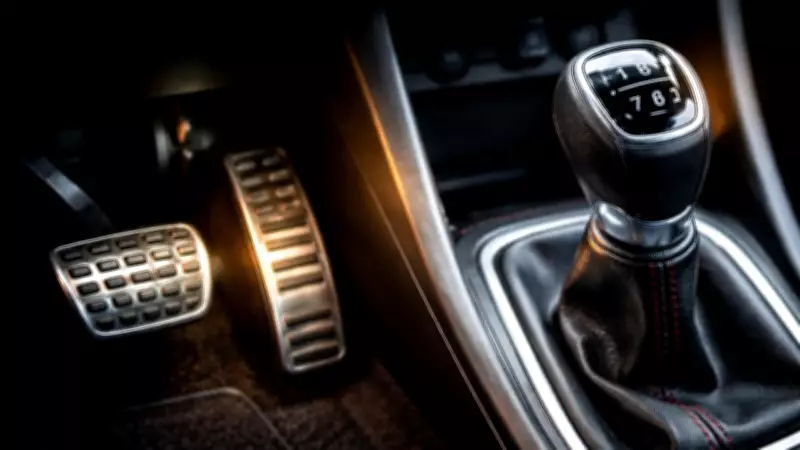
How to Protect Your Car's Most Expensive Components: The Clutch and Gearbox
In the world of automotive ownership, few parts are as critical and costly as the clutch and gearbox. These components form the heart of your vehicle's drivetrain, and their lifespan is directly tied to daily usage patterns and overall build quality. Urban driving environments, characterized by constant gear changes and stop-and-go traffic, place immense stress on these systems, accelerating wear and increasing the risk of premature failure.
The High Cost of Neglect and Poor Driving Practices
Improper driving habits, such as excessive clutch engagement, incorrect gear selection, and aggressive inputs, can dramatically shorten the operational life of your clutch and transmission. The financial implications are significant, as repairs or replacements for these systems often run into thousands of dollars, making preventive care not just advisable but essential for budget-conscious vehicle owners.
Fortunately, substantial wear reduction is achievable through the adoption of better driving practices. A fundamental understanding of how the clutch and transmission function, combined with smoother operational techniques, can effectively limit mechanical strain, enhance overall performance, and even improve fuel efficiency. This comprehensive guide explores simple yet powerful strategies that can help minimize wear, boost performance, and substantially lower long-term ownership expenses.

Essential Practices for Clutch and Gearbox Preservation
Avoid Riding the Clutch: Keeping the clutch partially engaged while driving creates continuous friction and prevents full mechanical connection, leading to accelerated wear and dangerous overheating. Drivers should develop the habit of fully releasing the pedal immediately after shifting and using clutch engagement only when absolutely necessary.
Use the Clutch Only When Required: Unnecessary clutch application, such as during coasting or gradual deceleration, increases component wear while reducing vehicle control. Modern vehicles are engineered to decelerate effectively while in gear, and utilizing engine braking helps distribute strain away from both the clutch assembly and braking system.
Execute Smooth Gear Shifts at Appropriate Times: Abrupt or forceful gear changes can cause significant damage to internal gearbox components, including synchronizers and shift forks. Shifting at correct engine speeds and matching gear selection to specific driving conditions helps reduce stress throughout the entire drivetrain system.
Avoid Holding Vehicles on Inclines Using the Clutch: Using clutch engagement to maintain vehicle position on slopes places constant pressure on clutch plates, resulting in rapid overheating and accelerated wear. The proper technique involves using the brake system to keep the vehicle stationary, followed by controlled clutch engagement when preparing to move forward.
Do Not Rest Your Hand on the Gear Lever: Keeping constant hand pressure on the gear shift lever can transmit force to internal transmission components, causing gradual wear over time. The lever should be handled exclusively during actual gear change operations, not as a handrest during normal driving.
Strategic Driving and Proactive Maintenance
Pay Close Attention to Traffic Conditions: Frequent clutch engagement in congested stop-and-go traffic dramatically accelerates wear patterns. Maintaining adequate following distance and anticipating traffic flow patterns can significantly reduce unnecessary gear shifts and clutch applications.
Implement Regular Maintenance and Fluid Inspections: Gearbox oil serves as the lifeblood of your transmission system, providing essential lubrication for smooth operation. Adhering to manufacturer-recommended service schedules and conducting regular inspections of the clutch system can help identify potential issues before they escalate into major problems.

Listen Carefully to Warning Signs: Difficulty during gear shifts, unusual mechanical noises, clutch slippage, or burning odors all indicate potential problems requiring immediate attention. Early professional inspection and intervention can prevent minor issues from developing into costly repair scenarios.
The operational lifespan of your vehicle's clutch and gearbox ultimately depends on a combination of conscientious driving habits and disciplined maintenance routines. By practicing smooth driving techniques, limiting unnecessary clutch use, and adhering to timely servicing schedules, vehicle owners can substantially reduce mechanical wear, improve overall performance, and achieve meaningful reductions in long-term ownership costs.





