

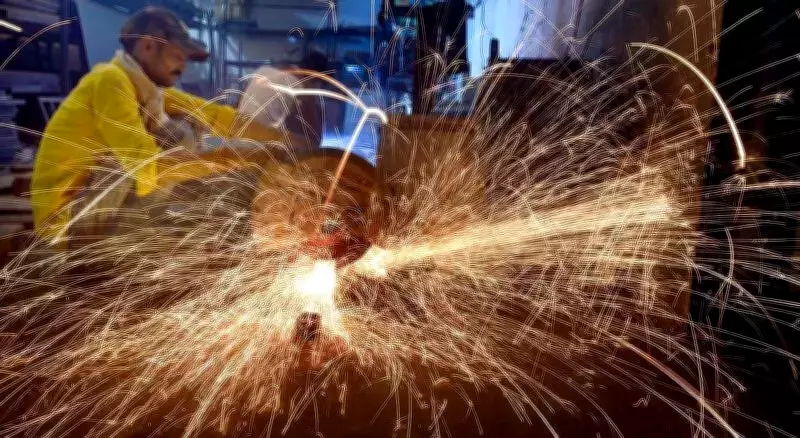
Steel Price Surge Puts Ludhiana MSMEs and Exporters on Edge
In Ludhiana, a significant industrial hub, escalating steel prices have become a critical issue for exporters and micro, small, and medium enterprises (MSMEs). Industry representatives report that sustained increases in raw material costs are severely squeezing profit margins and threatening the global competitiveness of local manufacturers.
Industry Leaders Sound Alarm on Impending Closures
The Federation of Industrial & Commercial Organization (FICO) has highlighted that abnormal price fluctuations are particularly damaging downstream industries, with MSMEs bearing the brunt. Gurmeet Singh Kular, President of FICO, stated that the steep hike in steel and other raw material prices has pushed many MSME manufacturers to the verge of closure.
Kular explained, "Manufacturers are trapped in a difficult position. They cannot pass on the increased input costs to buyers, who are unwilling to accept higher prices for finished goods. This situation mirrors the stress we witnessed during the pandemic, and it demands immediate action."

He urgently called for the introduction of an emergency funds scheme specifically for MSME manufacturers to prevent widespread shutdowns. Kular warned that without timely intervention, smaller units may be forced to reduce production, delay export orders, or cease operations entirely.
Exporters Face Mounting Cost Pressures
SC Ralhan, President of the Federation of Indian Export Organisations (FIEO), provided specific figures, noting that steel prices have risen by approximately Rs 3,000 per tonne over the past year alone. This increase adds to the existing cost pressures exporters face amid unpredictable global demand fluctuations.
Manjinder Singh Sachdeva, General Secretary of FICO, detailed that steel prices have increased by a minimum of Rs 10 per kilogram. This surge significantly impacts manufacturing costs across key sectors such as auto components, machinery, fabrication, and engineering goods.
Volatility in Non-Ferrous Metals Compounds Challenges
Sachdeva also pointed out that prices of non-ferrous metals, including nickel, titanium, chromium, aluminium, copper, and zinc, remain highly volatile and largely uncontrolled. This additional instability further complicates cost management for manufacturers.
He advocated for the establishment of a regulatory mechanism to monitor commodity price movements and ensure rational pricing within the country. Sachdeva emphasized, "Stable and predictable input costs are absolutely essential to support our MSME manufacturers and enhance India's export competitiveness on the global stage."
Competitiveness in International Markets at Risk
Manufacturers and exporters in the engineering and metal-based sectors are finding it increasingly difficult to remain competitive in international markets. As noted by another industrialist, buyers abroad are reluctant to accept higher prices, putting Indian products at a disadvantage.
The collective appeal from industry bodies underscores a critical need for policy measures to stabilize raw material costs and provide financial support to safeguard the livelihoods dependent on Ludhiana's manufacturing and export sectors.






