

Reopening Strait of Hormuz Essential to Stabilize Global Oil Prices, Says API Chief
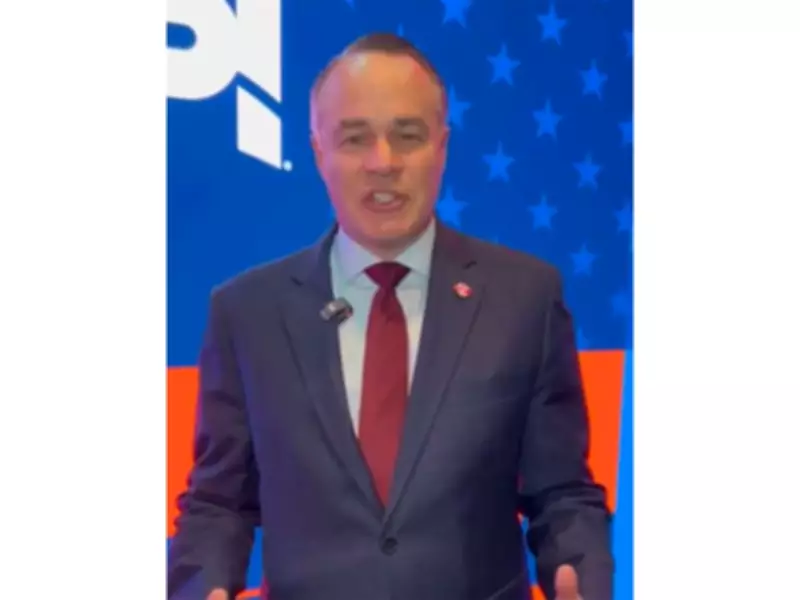
Mike Sommers, the CEO of the American Petroleum Institute (API), has declared that reopening the Strait of Hormuz is a critical step toward cooling surging global oil and gas prices, as the ongoing conflict involving the US, Israel, and Iran continues to disrupt energy supplies. Speaking at the POLITICO Pub during CERAWeek by S&P Global in Houston, Texas, Sommers highlighted the severe impact of supply chain interruptions on international markets.
No Substitute for the Strait, Warns Sommers
Sommers stressed that there is no viable alternative to the Strait of Hormuz, a vital maritime passage through which approximately 20% of the world's oil production flows. "The truth of the matter is there's no replacement for the strait. That is the critical piece that has to be done and done quickly," he asserted. He warned that without swift action to restore tanker movement, prices will continue to escalate not only in the United States but also in Europe and Asia, where the bulk of this oil is destined.
Global Energy Markets in Turmoil
The closure of the Strait of Hormuz since the outbreak of the war with Iran has significantly disrupted global energy supply chains, leading to oil prices reaching their highest levels in years. Sommers noted that several Asian countries are already experiencing shortages of diesel and jet fuel, exacerbating economic pressures. In the United States, the average gasoline price stood at USD 3.97 per gallon on a recent Tuesday, according to AAA data, reflecting the broader inflationary trend.

Cautious Production Response Amid Price Volatility
Despite the rising prices, US oil and gas producers have not substantially increased output. Sommers explained that producers are exercising caution due to the unpredictability of price levels. "We don't know how long the prices are going to remain at this elevated level. So I think you're going to see a muted response at this time," he said, indicating a reluctance to ramp up production in such a volatile environment.
Long-Standing Geopolitical Issues and Future Security
Sommers described the current conflict as part of a protracted geopolitical struggle dating back to 1979, when Iran held 66 Americans hostage. He emphasized the need for a lasting solution to prevent future disruptions. Additionally, he revealed that API member CEOs are advocating for measures to ensure Iran cannot control the strait in the future. "I will also say, if you talk to API member CEOs, they also want to make sure that we're finishing the job in Iran. We can't leave Iran in a position where they can control the strait with any given drone that they shoot into the strait on any given day," Sommers added.
Call for Policy Action and Balanced Approaches
The report further highlighted that energy executives have underscored the importance of stable energy supplies from diverse sources. However, reforms aimed at streamlining energy project approvals in the US Congress remain stalled due to political disagreements. Sommers urged policymakers to adopt a balanced strategy, stating, "Our call is for everybody to put their weapons down. This should be energy agnostic." The American Petroleum Institute, a sponsor of the POLITICO Pub event, continues to advocate for resolutions that prioritize market stability.
The ongoing crisis underscores the pivotal role of the Strait of Hormuz in global energy dynamics and the extensive repercussions of its closure, affecting economies and consumers worldwide.






