

India's market for consumer durables is undergoing a fundamental transformation, powered by a new generation of smart, mobile, and demanding customers. The driving force is a clear shift in preference: consumers are moving away from large, upfront purchases towards predictable monthly payments that often bundle in service, maintenance, and filter replacements.
The Rise of Paying for Outcomes, Not Just Products
This trend marks a significant departure from the traditional desire to simply 'own' an appliance. Today's consumer, especially young professionals who frequently move cities, live in rental accommodations, and seek hassle-free living, is increasingly drawn to a more powerful proposition—paying for guaranteed outcomes and seamless performance. The concept of ownership is being redefined by convenience and financial flexibility.
The numbers strongly reinforce this behavioral shift. The consumer durables sector in India is projected to reach approximately US$ 35.7 billion by 2029, growing at a compound annual growth rate (CAGR) of 11%. Even more striking is the performance of the major domestic appliances segment, which registered an impressive 18% value growth in the first half of 2024. The modern Indian kitchen sits at the epicenter of this change.

Strategic Shift: From Selling Products to Delivering Performance
For industry leaders, introducing subscription-based offerings is not merely a consumer trend but a critical strategic lever. This model fosters deeper customer engagement, brings predictability to cash flows, and provides companies with invaluable, real-time data on how products perform in actual households.
When maintenance, part replacements, and scheduled services are bundled into the purchase, the entire dynamic changes. The brand pivots from a one-time seller to a long-term service partner. The customer is no longer left alone to manage upkeep; the brand remains involved throughout the appliance's lifecycle. This transforms an everyday item into a sustained service experience.
Imagine a water purifier that automatically monitors usage, sends alerts for filter changes, and provides real-time data on water quality and consumption. Each service interaction generates intelligence that feeds directly back into product design and innovation, leading to smarter, more reliable appliances that truly align with modern lifestyles.
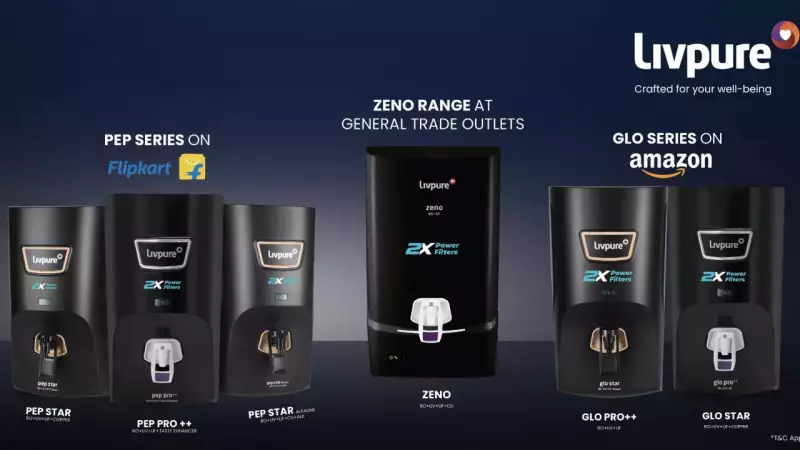
The introduction of subscription-based water purifiers is a key milestone in this journey, offering users complete peace of mind by eliminating the frequent hassles of traditional upkeep. It sets a new benchmark for the industry.
Market Tailwinds and Future Priorities
This paradigm shift is occurring at an ideal time for the sector. India's overall appliances and electronics market is poised for explosive growth, expected to nearly double from US$75 billion in 2024 to US$130-150 billion by 2029, a robust CAGR of 12-15%. This is fueled by premiumization, a convenience-first lifestyle, and innovative financing. Beyond metros, aspirational households in Tier-2 and Tier-3 cities are rapidly adopting products once considered urban luxuries.
To succeed in this new landscape, companies must prioritize several non-negotiables:
- A robust, tech-enabled service network capable of delivering consistent quality across all regions.
- Transparent subscription packages with all inclusions clearly defined upfront to build trust.
- Investment in smart diagnostic tools for predictive maintenance and proactive care.
- Designing appliances for modular repairs and easy maintenance to reduce downtime.
- Establishing a tight feedback loop between service insights and product development teams.
The next decade in Indian homes will be defined not just by how smart appliances are, but by how effortlessly they integrate into daily life. Appliances are evolving from standalone items into true lifestyle partners. Companies that recognize this shift and build the right service-centric ecosystem will achieve deeper engagement, stronger market differentiation, and more predictable, sustainable growth.
Insights contributed by Rakesh Kaul, MD and CEO, Livpure.






