Surat Textile Industry Confronts Severe Cost Crisis Amid Soaring Coal Prices
The textile processing sector in South Gujarat, particularly concentrated in Surat, is experiencing significant financial strain due to a dramatic 30-35% increase in imported coal prices over recent weeks. This sharp escalation is primarily driven by complex geopolitical factors, with the latest surge attributed to rising ocean freight rates amid ongoing Middle East conflicts.
Immediate Impact on Processing Charges and Production
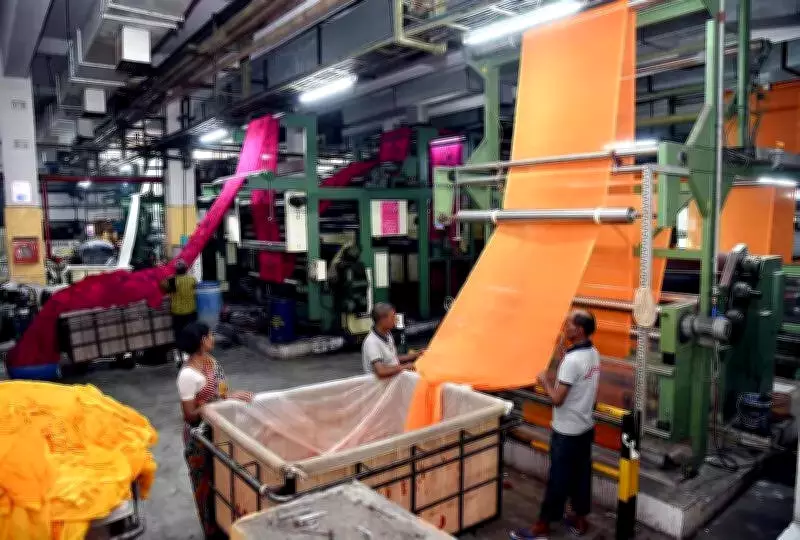
Industry representatives confirm that textile processors have been compelled to raise their processing charges by up to Rs 1.25 per metre to offset the mounting fuel costs. Coal serves as the primary energy source for boilers and captive power plants across approximately 400 textile processing units operating in the Surat region. The sudden fuel price hike has forced numerous manufacturers to increase product prices and temporarily halt fresh bookings, anticipating further escalation.
Industry sources warn that continued upward pressure on coal prices could substantially elevate production costs, disrupt established supply chains, and ultimately make finished textile products more expensive for end consumers across markets.

Detailed Breakdown of Cost Increases
The coal utilized by the industry is predominantly imported from Indonesia. Traders report that the landed cost has escalated by Rs 1,500 to Rs 2,000 per tonne within a brief period. Importers provide more nuanced figures, estimating the effective increase at Rs 800 to Rs 1,500 per tonne depending on coal grade and delivery terms, while shipping charges alone have risen by over Rs 700 per tonne.
"We lack viable alternatives to imported coal due to its superior calorific value compared to domestic coal," explained Jitu Vakhariya, President of the South Gujarat Textile Processors Association (SGTPA). "Prices are undergoing frequent revisions, placing tremendous pressure on industries and forcing inevitable price adjustments for our products."
Multiple Factors Driving the Price Surge
Several interconnected factors are contributing to this crisis:
- Supply Constraints from Indonesia: Tighter export restrictions in Indonesia have significantly reduced coal availability in international markets.
- Strong Chinese Demand: Sustained high demand from China has intensified competition for available cargoes, further driving up prices.
- Shipping Disruptions: The Middle East conflict has created shipping uncertainties, with companies becoming cautious about deploying vessels on certain routes, reducing vessel availability.
- Higher Fuel Costs: Increased crude oil prices have elevated bunker fuel costs, pushing freight rates and overall logistics expenses higher.
A leading coal importer stated, "Indonesian restrictions have curtailed export availability while Chinese demand remains robust, causing prices to accelerate rapidly." Another importer highlighted the shipping challenges: "Vessel availability has diminished due to war-related caution, and higher crude prices have inflated bunker costs, increasing freight rates and logistics expenses."
Industry Voices Express Concern
Shyam Agarwal, a prominent textile processor, shared his experience: "Processing costs at my unit have increased by Rs 1.25 per metre, leaving no alternative but to raise prices. Industries throughout South Gujarat are apprehensive about potential further hikes."
The textile processing sector in Surat, a critical component of India's textile ecosystem, now faces uncertain times as it navigates these unprecedented cost pressures while striving to maintain competitiveness in domestic and international markets.