

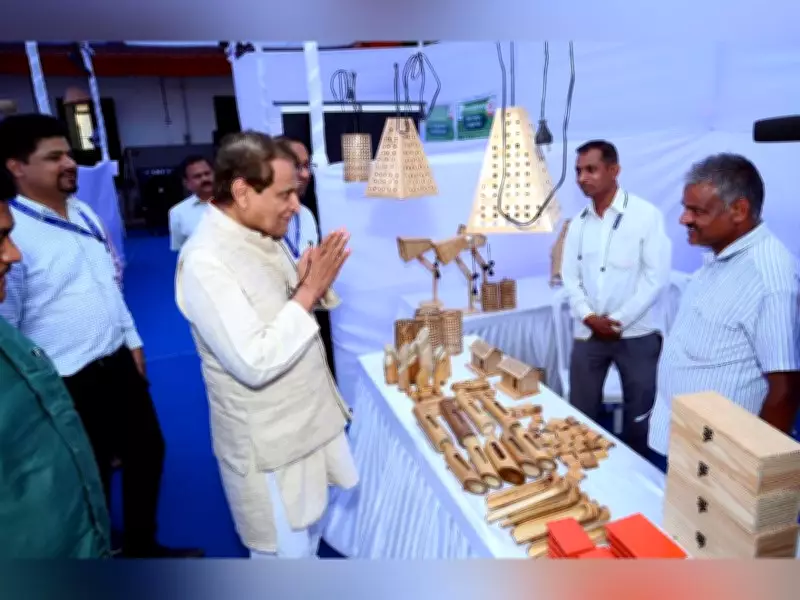
Suresh Prabhu Calls for Cooperative Push to Transform Rural Economy Through Bamboo Industry
Former Union Minister Suresh Prabhu has strongly advocated for a cooperative-driven approach to revitalize the bamboo industry, emphasizing its critical role in transforming rural economies across India. In a recent address, Prabhu highlighted the untapped potential of bamboo as a sustainable resource that can drive significant economic growth and job creation in rural areas.
The Need for a Cooperative Model in Bamboo Sector
Prabhu stressed that the bamboo industry requires a robust cooperative framework to overcome existing challenges and maximize its impact. He pointed out that while bamboo has immense potential, its growth has been hampered by fragmented efforts and lack of organized structures. A cooperative model, he argued, can help streamline production, processing, and marketing, ensuring better returns for farmers and artisans.
Key benefits of this approach include:

- Enhanced collective bargaining power for small-scale producers.
- Improved access to technology and modern farming techniques.
- Efficient supply chain management from cultivation to market.
- Increased investment in infrastructure and research.
Economic Impact on Rural Communities
The transformation of the bamboo industry through cooperatives is expected to have a profound economic impact on rural communities. Prabhu noted that bamboo cultivation and processing can generate substantial employment opportunities, particularly in regions with limited industrial development. This aligns with broader national goals of promoting sustainable livelihoods and reducing urban migration.
Furthermore, the bamboo sector supports various industries, including construction, furniture, handicrafts, and even renewable energy, making it a versatile driver of rural prosperity. By fostering cooperatives, communities can leverage these diverse applications to create a resilient economic ecosystem.
Challenges and the Way Forward
Despite its potential, the bamboo industry faces several hurdles, such as inadequate policy support, limited market access, and technological gaps. Prabhu called for concerted efforts from the government, private sector, and civil society to address these issues. He recommended:
- Implementing supportive policies that incentivize cooperative formation.
- Investing in research and development to improve bamboo varieties and processing methods.
- Creating market linkages to boost domestic and international trade.
- Promoting awareness about bamboo's economic and environmental benefits.
In conclusion, Suresh Prabhu's advocacy for a cooperative push in the bamboo industry underscores a strategic vision for rural economic transformation. By harnessing the power of collective action, India can unlock the full potential of this green resource, fostering sustainable development and improving the livelihoods of millions in rural areas.






