

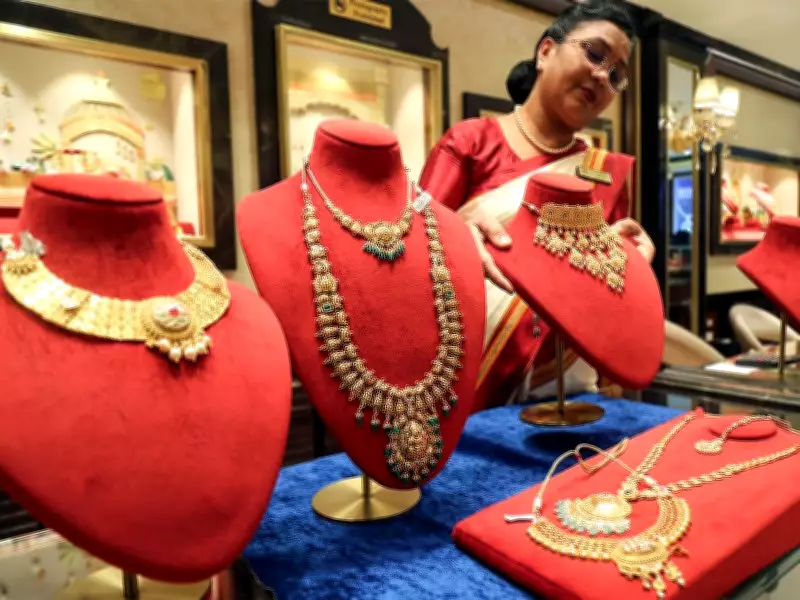
Tech and Evolving Preferences Reshape Jewellery Buying This Akshaya Tritiya
The annual festival of Akshaya Tritiya, celebrated for its auspicious significance in Hindu culture, is witnessing a significant transformation in how consumers purchase jewellery in 2024. Driven by advancements in technology and shifting consumer tastes, the traditional gold and jewellery market is adapting to new trends that emphasize convenience, personalization, and modern designs.
Rise of Online and Omnichannel Sales
One of the most notable changes this year is the surge in online jewellery sales. With the proliferation of e-commerce platforms and digital payment systems, consumers are increasingly turning to online channels to buy gold and diamond jewellery. This shift is supported by enhanced virtual try-on features, high-resolution product images, and secure delivery options, making online shopping a viable alternative to physical stores.
Many jewellers have adopted an omnichannel approach, integrating their online and offline presence to offer a seamless shopping experience. Customers can now browse collections online, visit stores for personalized consultations, and even schedule home trials, reflecting a blend of traditional and modern retail practices.

Shift Towards Lightweight and Personalized Designs
Consumer preferences are also evolving, with a growing demand for lightweight and everyday-wear jewellery. Instead of heavy, traditional pieces, buyers are opting for minimalist designs, stackable rings, and delicate necklaces that suit contemporary lifestyles. This trend is particularly popular among younger consumers who value versatility and style over sheer weight.
Personalization has become a key factor, with many jewellers offering customized engraving, bespoke designs, and modular jewellery that can be mixed and matched. The use of technology, such as 3D printing and computer-aided design (CAD), enables faster production of unique pieces, catering to individual tastes and occasions.
Increased Focus on Certification and Transparency
Transparency in sourcing and certification is gaining importance among buyers. Consumers are more informed and seek assurance about the purity of gold, the authenticity of diamonds, and ethical sourcing practices. Jewellers are responding by providing detailed certifications, hallmarks, and traceability information, often through digital platforms that enhance trust and credibility.
This focus on quality and ethics is driven by a broader awareness of sustainability and responsible consumption, influencing purchasing decisions during festive seasons like Akshaya Tritiya.
Impact of Economic Factors and Investment Trends
Economic conditions, including fluctuations in gold prices and inflation, are shaping buying patterns. While gold remains a preferred investment asset, there is a noticeable interest in diamond and gemstone jewellery as alternative options. Some consumers are diversifying their purchases to include both traditional gold items and modern pieces, balancing cultural significance with aesthetic appeal.
Investment-oriented buying continues, with many viewing jewellery as a hedge against economic uncertainty, but the emphasis is increasingly on pieces that offer both financial value and wearable beauty.
Future Outlook for the Jewellery Industry
The trends observed this Akshaya Tritiya indicate a lasting shift in the jewellery market. Technology will likely play an even greater role, with innovations like augmented reality (AR) for virtual fittings and blockchain for supply chain transparency becoming more mainstream. Consumer preferences are expected to continue evolving towards sustainability, personalization, and convenience.
As the industry adapts, jewellers who embrace these changes and integrate digital tools with traditional craftsmanship are poised to thrive, making festivals like Akshaya Tritiya not just a cultural event but a showcase of modern retail dynamics.






