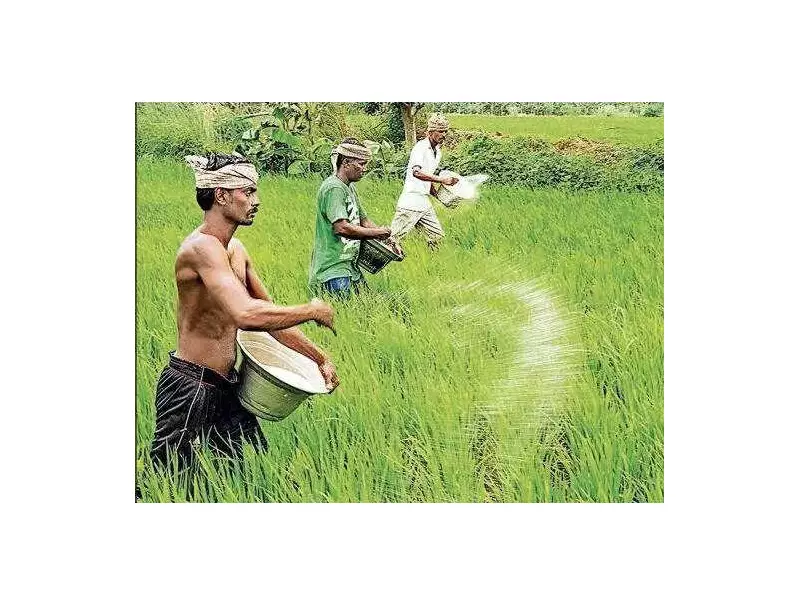
Agricultural experts and policymakers in Telangana are sounding urgent alarms. A dramatic surge in urea consumption across the state has triggered serious concerns about the future of farming and soil sustainability.
Sharp Rise in Fertiliser Use
Official data reveals a troubling trend. Urea consumption in Telangana jumped significantly from 16.42 lakh metric tonnes in the 2020-21 period to 20.07 lakh metric tonnes in 2024-25. This represents a sharp increase of approximately 22% over just four years.
What's Driving the Increase?
Agricultural analysts point to several key factors behind this worrying surge. The expansion of paddy and cotton cultivation plays a major role. Both these crops require substantial nitrogen inputs, making farmers heavily dependent on urea applications.

However, experts identify another critical driver. Heavy government subsidies on urea make excessive application financially attractive for farmers. When fertilisers become cheap, farmers naturally tend to use more than what agronomic science recommends.
Government Calls for Course Correction
Agriculture Minister Tummala Nageswara Rao has publicly called for immediate corrective measures. He advocates for a more balanced distribution of fertiliser subsidies across different nutrients rather than concentrating them primarily on urea.
"Whenever we advocate for judicious fertiliser use, some political factions misinterpret this," Rao stated. "They wrongly claim it indicates government inability to supply adequate fertilisers. This narrative is misleading and dangerous."
The minister highlighted concerning field data. Most Telangana farmers currently use more than three bags of fertiliser, including urea. Agricultural recommendations suggest using just one bag for optimal results.
Soil Degradation Creates Vicious Cycle
Farmers' rights activist Ravi Kanneganti, convenor of Rythu Swarjya Vedika, explains another dimension of the problem. Degraded soils force farmers to apply even larger quantities of chemicals simply to maintain yields.
"We must establish a comprehensive system," Kanneganti emphasized. "This system should encourage farmers to gradually transition from chemical methods to organic practices."
Broader Implications for Farming
The urea surge raises fundamental questions about sustainable agriculture in Telangana. Excessive fertiliser use creates multiple problems:
- Soil health deterioration over time
- Reduced long-term productivity
- Environmental contamination risks
- Increased farming costs despite subsidies
Agricultural experts warn that current practices may not be sustainable. They emphasize the need for balanced nutrient management and gradual shifts toward organic alternatives.
The debate now centers on finding practical solutions. How can policymakers encourage responsible fertiliser use while supporting farmer livelihoods? How can subsidy structures be redesigned to promote soil health rather than chemical dependency?
These questions demand urgent attention as Telangana confronts the consequences of its fertiliser consumption patterns. The state's agricultural future may depend on finding answers quickly.