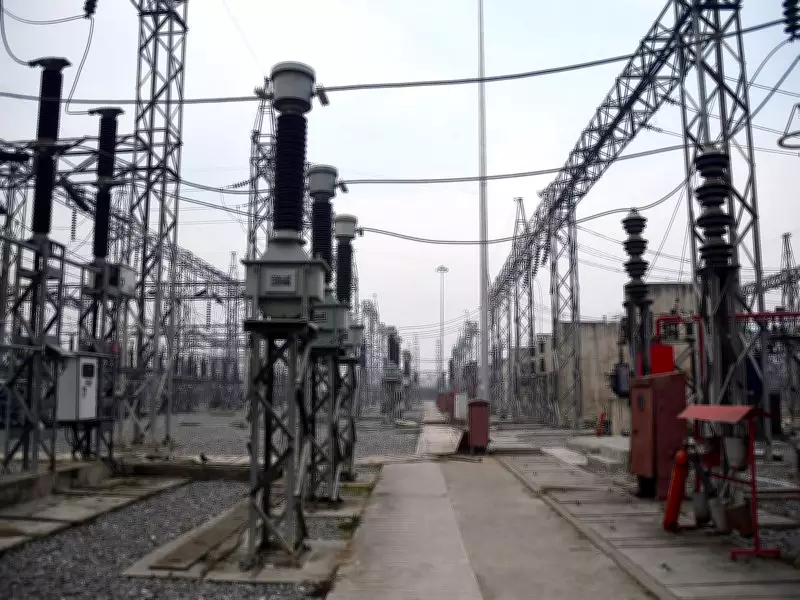
India's power transmission sector is on the brink of a significant turnaround in the financial year 2026-27 (FY27), following five years of sluggish growth, according to a recent report. The sector is expected to witness a massive investment opportunity worth Rs 7.6 trillion, driven by the integration of renewable energy sources and the modernization of the national grid.
Key Drivers of Growth
The report highlights several factors that will contribute to this resurgence. The increasing share of renewable energy in the country's power mix necessitates robust transmission infrastructure to evacuate power from renewable-rich states to demand centers. Additionally, the government's focus on achieving 500 GW of non-fossil fuel capacity by 2030 is accelerating transmission projects.
Investment Opportunities
Out of the Rs 7.6 trillion opportunity, approximately Rs 4.5 trillion is expected to come from interstate transmission systems (ISTS), while the remaining Rs 3.1 trillion will be directed towards intrastate transmission systems. The private sector is anticipated to play a significant role, with public-private partnerships (PPPs) being encouraged to bridge the funding gap.

Challenges and Solutions
Despite the optimistic outlook, the sector faces challenges such as land acquisition delays, regulatory hurdles, and financing constraints. The report suggests that streamlining approval processes and introducing innovative financing mechanisms can mitigate these issues. Furthermore, the adoption of advanced technologies like high-voltage direct current (HVDC) and gas-insulated substations will enhance grid efficiency and reliability.
Impact on Renewable Energy Goals
A robust transmission network is critical for India to meet its renewable energy targets. Without adequate transmission capacity, renewable energy projects may face curtailment, affecting their viability. The turnaround in the transmission sector will thus directly support the country's energy transition and climate commitments.
Market Participants
Key players in the transmission sector include state-owned Power Grid Corporation of India Limited (PGCIL), as well as private companies such as Adani Transmission and Sterlite Power. These companies are expected to benefit from the upcoming investment wave, with PGCIL likely to lead the ISTS projects.
Conclusion
The transmission sector's turnaround in FY27 presents a lucrative opportunity for investors and stakeholders. With the right policy support and execution, the sector can overcome past sluggishness and play a pivotal role in India's energy future.