

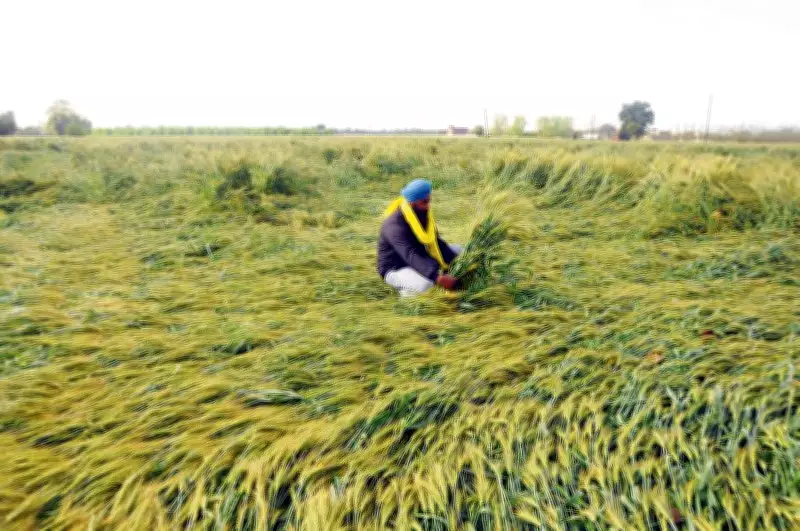
Untimely Rainfall Wreaks Havoc on Wheat Crop in Amritsar
In a significant blow to agricultural productivity, untimely rainfall has caused extensive damage to the wheat crop in the Amritsar region of Punjab. This unexpected weather event has left farmers grappling with substantial losses, threatening their livelihoods and raising urgent questions about government intervention and support mechanisms.
Impact of the Weather Event on Wheat Production
The recent rainfall, occurring at a critical stage of the wheat growing cycle, has led to widespread crop damage. Reports indicate that the moisture and adverse conditions have affected grain quality and yield, potentially reducing harvest outputs significantly. This situation is particularly concerning given the importance of wheat as a staple crop in the region, with implications for local food security and economic stability.
Farmers in Amritsar are facing a dual challenge: not only are they dealing with immediate crop losses, but they also confront uncertainties about market prices and recovery efforts. The timing of the rain has exacerbated vulnerabilities, highlighting the need for robust agricultural policies and disaster management strategies.

Expert Recommendations for Government Action
Agricultural experts and stakeholders have outlined several key steps that the government should take to support affected farmers:
- Immediate Financial Assistance: Provide direct compensation or relief funds to help farmers cover losses and sustain their operations during this difficult period.
- Crop Insurance Enhancements: Strengthen and expedite claims under existing crop insurance schemes to ensure timely payouts and broader coverage for weather-related damages.
- Technical Support and Advisory: Deploy agricultural extension services to offer guidance on post-damage crop management, including salvage techniques and alternative planting options.
- Market Intervention: Implement measures to stabilize wheat prices and facilitate fair trade, preventing exploitation of farmers in distress.
- Long-Term Infrastructure Investments: Invest in irrigation systems, drainage solutions, and weather forecasting technologies to build resilience against future climate uncertainties.
Broader Implications for Agriculture and Policy
This incident underscores the broader challenges faced by Indian agriculture, particularly in the context of climate change and erratic weather patterns. It calls for a reevaluation of support systems, with an emphasis on proactive rather than reactive measures. Effective government response could set a precedent for handling similar crises nationwide, fostering a more sustainable and secure agricultural sector.
As discussions continue, the focus remains on ensuring that farmers in Amritsar and beyond receive the necessary aid to recover and thrive. The situation serves as a reminder of the critical role of policy in safeguarding food production and rural economies against environmental shocks.






