

Uttar Pradesh Sugar Industry Faces Critical Cane Shortage
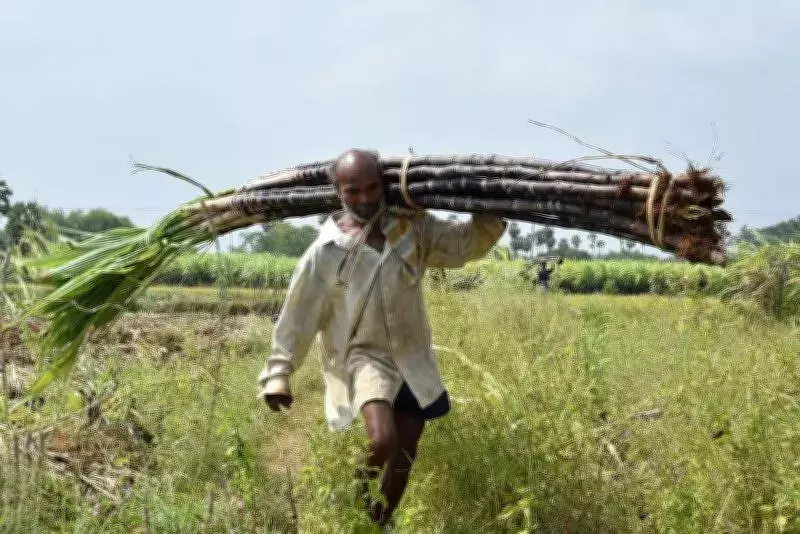
India's largest sugar-producing state, Uttar Pradesh, is confronting a significant decline in sugarcane availability for crushing operations. This development raises serious concerns about a potential dip in sugar output for the upcoming 2025–26 season. The shortfall, estimated to be between 2% and 3%, stems from a combination of adverse weather conditions and crop disease affecting the widely cultivated Co-0238 cane variety.
Weather Woes and Crop Rot Disrupt Supply
An unusual spike in temperatures during February, followed by unseasonal rains in March, has severely impacted sugarcane crops across the state. Compounding this issue is the damage caused by rot in the Co-0238 variety, which is extensively grown by farmers. These factors have collectively led to a reduction in both the quantity and quality of sugarcane reaching mills.
Early Mill Closures Signal Deepening Crisis
The scarcity has already prompted several sugar mills to shut down operations well ahead of schedule. The Unn sugar mill in Shamli ceased operations on the night of March 23-24, nearly 15 days before its planned closure. Similarly, the Thana Bhawan sugar mill is expected to close later this week, having issued a notice on March 20 citing insufficient cane availability.

Both mills reportedly received approximately 25 lakh quintals less cane this season, forcing operators to halt production prematurely. Other major mills, including Oswal in Nawabganj, Bahari sugar mills, Dhampur mill, Kisan Sahkari mill, and Dwarikesh mills, have also expressed concerns about the cane shortage.
Declining Recovery Rates Compound Problems
The poor quality of available sugarcane has further aggravated the situation, leading to a decline in sugar recovery rates. Sugar recovery refers to the percentage of sugar extracted from sugarcane during crushing. Lower recovery rates mean less sugar is produced from the same quantity of cane, directly impacting overall production and mill profitability.
This makes operations economically unviable for many mills, exacerbating the industry's challenges during this critical period.
Farmers Divert Cane to Alternative Buyers
The drop in cane arrivals at mills has been accentuated by farmers redirecting part of their produce to Khandsari units. These units often offer immediate cash payments at higher prices compared to traditional sugar mills, providing farmers with a more attractive alternative amid the uncertain market conditions.
Historical Context and Future Projections
Despite a general decline in national sugar output due to adverse weather in previous years, Uttar Pradesh maintained its dominant position in 2024–25. The state recorded sugar production of over 92 lakh tonnes, accounting for approximately 35% of India's total output of over 261 lakh tonnes.
An official from the UP Sugar Mills Association stated that the full extent of the current crisis will become clearer in the next 10 to 15 days as the crushing season concludes. "The cane shortage is certainly there. The extent of its impact is being assessed," the official remarked, highlighting the ongoing evaluation of the situation's severity.
The combination of weather disruptions, crop disease, and economic factors presents a multifaceted challenge for Uttar Pradesh's sugar industry, with potential implications for both domestic supply and broader agricultural economics in the region.






