

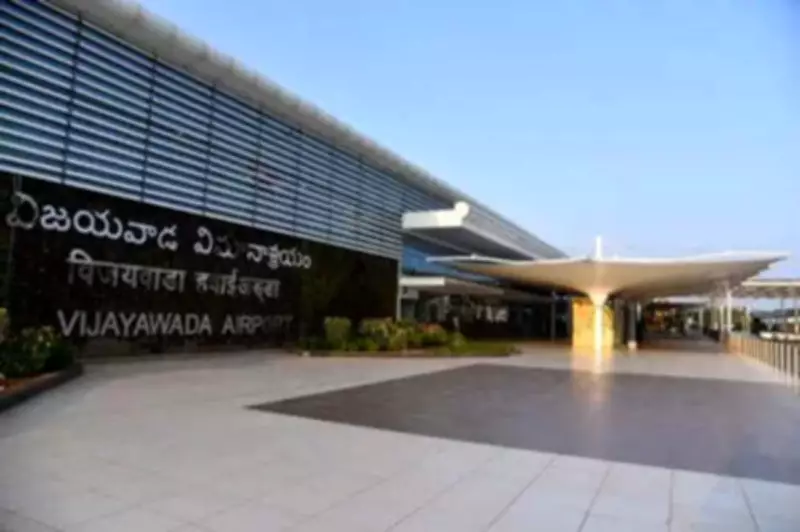
Vijayawada International Airport has undergone a remarkable transformation over the past 12 years, evolving from a regional airport into a major international aviation hub with substantial growth in passenger traffic, revenue generation, and infrastructure development.
Revenue and Traffic Surge
According to a comprehensive report released by the Airports Authority of India (AAI), the airport's annual revenue surged from Rs 5.98 crore in the 2014-15 financial year to a record Rs 87.97 crore in 2025-26, registering an impressive growth of 1,370 percent. Passenger traffic also increased by over 504 percent, rising from 2.33 lakh passengers in 2014-15 to more than 14.11 lakh passengers annually in 2025-26. Similarly, aircraft movements grew by nearly 226 percent during the same period, increasing from 5,386 to 17,536 flights annually.
Expanded Connectivity
The airport's connectivity network has expanded significantly, growing from three domestic destinations in 2014 to nine major cities at present. Direct flight services now connect Vijayawada with Delhi, Hyderabad, Bengaluru, Mumbai, Chennai, Kadapa, Kurnool, Tirupati and Visakhapatnam, according to the report.

Infrastructure Upgrades
The airport's infrastructure has also witnessed substantial upgrades with the acquisition of 700 acres in 2017, and the total airport area expanded to 1,237.64 acres. Further, the runway was extended from 2,286 metres to 3,360 metres in 2019, enabling the operation of larger aircraft. Aircraft parking capacity increased from five bays to 24 bays through phased expansion projects. Subsequently, the construction of a new integrated terminal building spread over 51,300 square metres is progressing for Rs 791.59 crore and is expected to be completed by December 31.
Cargo and Emergency Infrastructure
The airport has also strengthened its cargo handling and emergency response infrastructure with a domestic cargo terminal and a category-VII airfield fire station. In a major technological advancement, a new 45-metre air traffic control (ATC) tower and technical block were completed in 2026.
Technology and Sustainability
The airport has modernised its meteorological and navigation systems, improving operational efficiency and reducing disruptions during adverse weather conditions. The report also highlighted the success of the Digi Yatra initiative, launched in March 2023, with more than 11.49 lakh passengers using the biometric-based paperless travel platform. On the sustainability front, the airport has invested in renewable energy through a 1 MW solar power plant and rooftop solar installations.
Passenger-Friendly Initiatives
Among passenger-friendly initiatives, Vijayawada airport became the first AAI-managed airport in the country to introduce FASTag-enabled cashless parking in December 2022. Airport director M Lakshmi Kantha Reddy said the airport's growth reflects sustained investments in infrastructure, technology and passenger services, positioning Vijayawada as a key aviation gateway for Andhra Pradesh.






