SAIL's Forest Land Conversion Request for VISL Plant Faces Major Hurdle
The ambitious plan to rejuvenate the Visvesvaraya Iron and Steel Plant (VISL) in Bhadravathi has encountered a substantial obstacle. The Steel Authority of India Limited (SAIL), acting on behalf of VISL, submitted a formal application to the central government seeking approval for the conversion of forest land intended for mining operations. This development marks a critical juncture in the efforts to revive the historic industrial facility located in Karnataka.
Details of the Forest Land Conversion Application
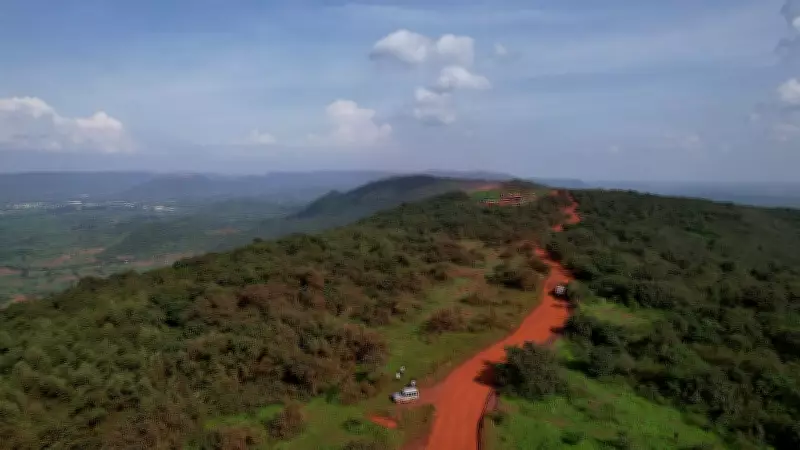
SAIL's application specifically targets 150 acres, equivalent to 60.70 hectares, of forested area situated within the Ramanamalai forest block, also known as Ramgarh, in Sandur taluk. The primary objective behind this request is to facilitate mining activities that are deemed essential for the operational revival and long-term sustainability of the VISL plant. The submission underscores the strategic importance of securing raw material access to support the plant's production capabilities.
Implications for the Bhadravathi Plant and Karnataka's Economy
The setback in the forest land conversion process poses significant challenges for the rejuvenation of the VISL plant, which has been a cornerstone of industrial activity in the Bhadravathi region. This development could potentially delay critical mining operations, thereby affecting the plant's ability to ramp up production and contribute to local economic growth. The VISL plant's revival is closely watched as it holds promise for job creation and bolstering Karnataka's industrial sector.

Environmental considerations and regulatory approvals are now at the forefront of this issue. The conversion of forest land for industrial use typically involves stringent assessments to balance developmental needs with ecological preservation. The central government's decision on SAIL's application will be pivotal, influencing not only the plant's future but also setting a precedent for similar industrial projects across the country.
Broader Context and Future Prospects
This setback highlights the complex interplay between industrial development and environmental conservation in India. As stakeholders await further updates, the focus remains on finding a viable path forward that aligns with both economic objectives and sustainable practices. The outcome of this application could reshape strategies for rejuvenating aging industrial assets while addressing ecological concerns in regions like Sandur taluk.