Volkswagen Unveils Ambitious 2030 Strategy for Chinese Automotive Market
In a bold move to reclaim its position in the world's largest automobile market, Volkswagen has announced plans to transition the majority of vehicles it manufactures and sells in China onto a new, software-centric electronic architecture by the year 2030. This strategic pivot comes as the German automotive giant faces mounting pressure from domestic Chinese competitors who have been rapidly gaining market share with innovative and feature-rich models.
China Electronic Architecture: A Game-Changer for Development Efficiency
The cornerstone of this initiative is the China Electronic Architecture (CEA), a platform initially co-developed with Chinese electric vehicle manufacturer Xpeng. According to company statements, this new architecture promises to revolutionize Volkswagen's production processes in the region.
Volkswagen claims that vehicles built on the CEA platform can be developed up to 30 percent faster and at costs approximately 40 percent lower compared to those utilizing the company's German-engineered MEB platform. These significant efficiency gains are attributed to two primary factors:

- The implementation of centralized control units that streamline vehicle systems
- A substantial increase in in-house component production, reducing reliance on external suppliers
Addressing Intense Market Competition
This technological shift is a direct response to Volkswagen's declining fortunes in the Chinese automotive landscape. The company has been steadily losing ground to aggressive domestic players like BYD and Geely, who have demonstrated remarkable agility in launching new models packed with advanced features.
The competitive pressure reached a critical point in 2024 when Volkswagen was overtaken by BYD, slipping to third place in the Chinese market. This demotion followed a concerning 17.4 percent decline in fourth-quarter sales, highlighting the urgent need for strategic recalibration.
Localized Development with Global Standards
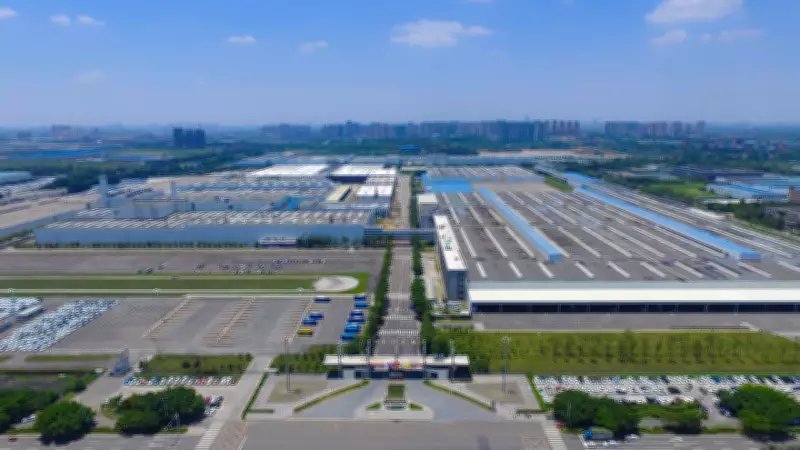
During a recent visit to Volkswagen's manufacturing hub in Hefei, spokesperson Liu Ran of Volkswagen Group China Technology outlined the ambitious target of shifting "most" China-made models to the CEA platform by 2030. The Hefei facility houses a dedicated CEA laboratory staffed by approximately 850 engineers, the majority of whom are Chinese nationals.
Company executives emphasize that this localized engineering team has been granted greater decision-making authority, a strategic move designed to accelerate development cycles while ensuring alignment with specific Chinese market demands. This autonomy aims to strike a delicate balance between rapid adaptation and maintaining Volkswagen's renowned standards for vehicle quality and reliability.
Implementation Timeline and Model Rollout
Volkswagen has already begun implementing this new architecture with the production of its first China-built CEA-based model, the electric SUV ID. UNYX 07, which commenced late last year. The company's rollout plan includes:
- Four additional models transitioning to the CEA platform in the current year
- Approximately ten more vehicles adopting the architecture in 2027
Notably, this expansion will include not only electric vehicles but also some models powered by traditional combustion engines, demonstrating the architecture's versatility across Volkswagen's product portfolio.
The collaboration with Xpeng on the initial development of the CEA concluded last year, with Volkswagen now taking full internal control over further architectural evolution and implementation. This transition marks a significant step in Volkswagen's efforts to create a more responsive, cost-effective, and competitive operational framework specifically tailored for the unique challenges and opportunities of the Chinese automotive market.