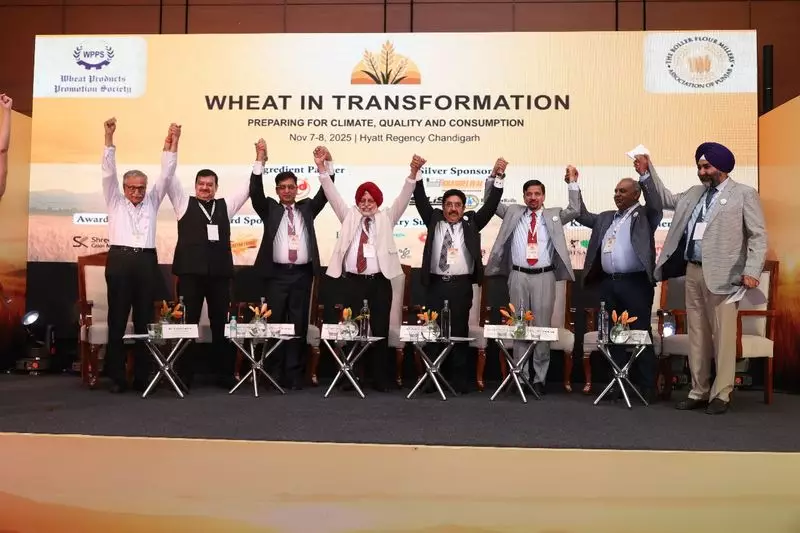
The recent seminar on 'Wheat in Transformation' concluded with a strong consensus among industry stakeholders that technological innovation is crucial for the future growth of India's wheat sector. Held in Chandigarh, the event brought together experts, policymakers, and industry leaders who emphasized the urgent need for digital solutions in agriculture.
Industry Demands Technological Revolution
During the seminar, industry representatives unanimously called for technology-driven growth in the wheat value chain. Participants highlighted how digital tools and advanced agricultural practices could transform traditional farming methods, making them more efficient and sustainable.
The event featured detailed discussions on various technological interventions that could revolutionize wheat cultivation. Experts presented case studies showing how precision agriculture, data analytics, and smart farming equipment have already begun making significant impacts in pilot projects across different wheat-growing regions.

Key Recommendations and Action Points
Several concrete recommendations emerged from the day-long discussions. Industry leaders stressed the importance of integrating digital platforms that can provide real-time market information to farmers, helping them make better decisions about when and where to sell their produce.
Another critical area of focus was the development of sustainable farming practices that balance productivity with environmental concerns. Speakers emphasized that technology should not only increase yields but also ensure long-term soil health and water conservation.
The seminar also addressed the need for better post-harvest management systems. Participants discussed how technological solutions could reduce storage losses and improve the overall quality of wheat reaching consumers.
Path Forward for Wheat Sector
The concluding session outlined a clear roadmap for implementing the discussed technologies. Industry representatives committed to collaborating with research institutions and government agencies to accelerate the adoption of digital farming solutions.
Special emphasis was placed on making these technologies accessible to small and marginal farmers, who form the backbone of India's wheat production. The seminar concluded with a resolve to create more awareness and training programs to help farmers transition to technology-enabled agriculture.
Participants expressed confidence that with proper implementation of these technological interventions, India's wheat sector could achieve new heights of productivity and sustainability, ultimately benefiting all stakeholders from farmers to consumers.