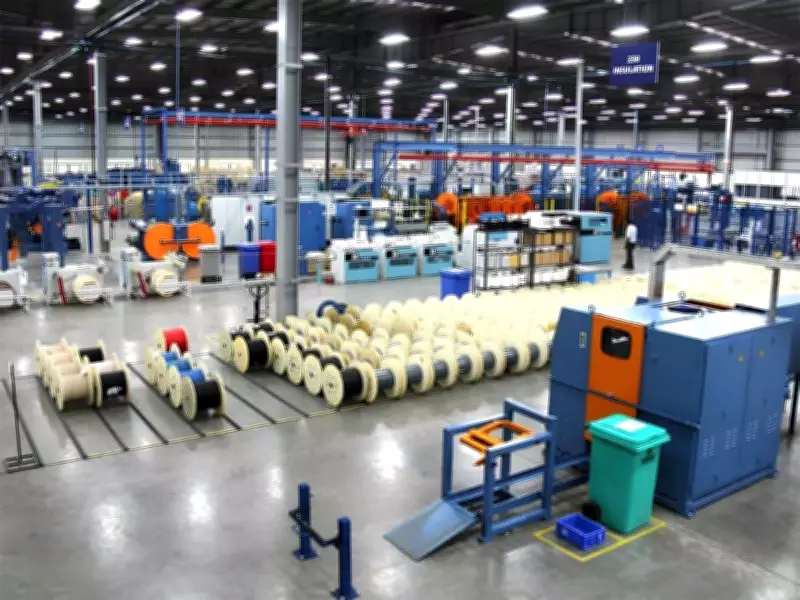
India's winding wire industry is entering a structural growth phase, supported by rapid electrification, rising investments in power transmission and distribution, renewable energy adoption, and accelerating industrialisation. According to a report by PhillipCapital, winding wires—essential components in transformers, motors, and generators—offer direct exposure to the country's expanding power infrastructure and energy transition.
Rising demand from electric vehicles, data centres, industrial automation, and heating, ventilation, and air-conditioning (HVAC) systems is expected to sustain volume growth and create opportunities for margin expansion among organised players.
Key Growth Drivers
India plans to nearly double its installed power generation capacity from around 442 GW in FY24 to approximately 900 GW by FY32, backed by more than Rs 9 trillion in planned transmission infrastructure investments. The expansion of substations, transmission lines, and transformer capacity is projected to drive long-term demand for distribution, power, and specialty transformers, thereby supporting winding wire manufacturers.

The brokerage notes that the winding wire industry benefits directly from large-scale electrification projects such as the Revamped Distribution Sector Scheme (RDSS) and Deendayal Upadhyaya Gram Jyoti Yojana, which aim to strengthen rural and urban power networks.
Renewable Energy and Grid Modernisation
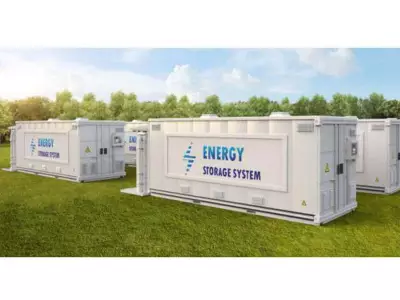
Renewable energy and grid modernisation are emerging as important growth drivers. India's non-fossil power capacity target of 612.7 GW by 2032, up from 194 GW in 2024, implies a 15.5 per cent compound annual growth rate (CAGR), according to the PhillipCapital report. The deployment of battery energy storage systems, smart grids, and green hydrogen projects is expected to generate additional demand for specialised winding wires used in transformers, generators, inverters, and other electrical equipment.
India's push toward 24x7 reliable power for all households and industries further bolsters the need for robust transmission and distribution infrastructure, indirectly benefiting the winding wire segment.
Shift Toward High-Value Products
The winding wire industry is moving toward higher-value products, including continuously transposed conductors (CTC), paper-insulated conductors, rectangular wires, corona-resistant wires, and EV-grade winding wires. These products typically involve stringent qualification requirements and higher entry barriers, supporting improved profitability for organised manufacturers. PhillipCapital highlights that the shift to premium products is enabling companies to differentiate themselves and capture higher margins.
For instance, CTCs are increasingly used in large power transformers for renewable energy integration, while EV-grade wires meet the specific needs of traction motors in electric vehicles. This product mix upgrade is expected to be a key driver of earnings growth.
Industry Formalisation and Global Opportunities
The brokerage expects industry formalisation and the China+1 strategy to create additional opportunities as global supply chains diversify and exports of Indian transformers, motors, and electrical equipment increase. With many countries seeking alternatives to Chinese suppliers, Indian manufacturers of winding wires stand to benefit from higher export demand.
Moreover, stricter quality standards enforced by the Bureau of Indian Standards (BIS) are driving unorganised players out of the market, thereby consolidating market share among compliant organised players.
Copper Dominance and Tube Opportunities
Copper is expected to remain the preferred conductor for critical applications due to its superior electrical conductivity, thermal efficiency, and durability. Demand is likely to remain strong from EV traction motors, renewable energy equipment, HVDC transformers, industrial automation, and data centres. Despite aluminium's lower cost, copper's performance advantages ensure its continued dominance in high-end applications.

The report also highlights a structural opportunity in copper tubes, supported by India's expanding HVAC market, low room air-conditioner penetration, and import substitution. As per capita income rises and urbanisation accelerates, demand for air conditioning and refrigeration is set to grow, driving copper tube consumption.
PhillipCapital concludes that the winding wire industry's outlook remains positive, backed by robust policy support, infrastructure spending, and industrial growth.
(This content is sourced from a syndicated feed and is published as received. The Tribune assumes no responsibility or liability for its accuracy, completeness, or content.)