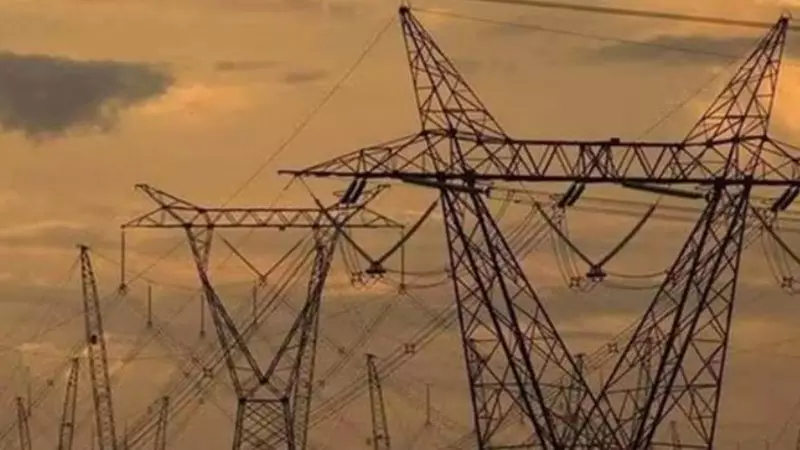
Winter Power Demand Outpaces Summer Records in India
India's electricity grid is witnessing an unusual trend this winter. Peak power demand has surged past last summer's record levels, marking a significant shift in the country's energy consumption patterns.
Record-Breaking Numbers
Data from GRID India reveals that maximum power demand reached 245 gigawatts on January 9. This impressive figure was followed by 243 GW on January 13. Both numbers comfortably surpassed the previous peak of 242 GW recorded on June 12 last year.
What makes this development particularly noteworthy is the timing. Electricity demand traditionally peaks during summer months, specifically June and July. Early autumn months like September and October also see high consumption. The widespread use of air conditioners across homes and businesses typically drives these summer spikes.

Changing Weather Patterns
This winter tells a different story. Unusually cold conditions have swept across large parts of the country, including regions that don't typically experience such low temperatures. Analysts point to this harsh winter as a primary driver behind the increased electricity demand.
Sabyasachi Majumdar, senior director at CareEdge Ratings, explains the situation clearly. "Winters have been harsher this year—not just in northern India, but even in southern regions that typically do not experience such cold," Majumdar told The Indian Express. This weather pattern has pushed up domestic heating requirements significantly.
Historical Context and Comparisons
The last time winter demand exceeded summer levels occurred during 2020-21. Pandemic-related disruptions distorted normal consumption patterns during that period. Before that recent exception, winter demand generally remained below summer levels for years.
December 2025 saw another shift when peak demand climbed to 241 GW. This marked a year-on-year increase exceeding 7 percent and brought winter consumption dangerously close to summer highs. The trend continued into January with multiple days crossing the 240 GW threshold.
Multiple Factors at Play
Several elements contribute to this unusual winter surge. The summer of 2025 remained relatively mild with intermittent rainfall. This kept cooling demand subdued and left the summer peak well below projections. A muted summer combined with a harsh winter created perfect conditions for this demand reversal.
Gautam Shahi, Director at Crisil Ratings, highlights another important factor. "The aberration is largely due to an early monsoon and relatively cooler summer conditions," Shahi explained. These weather patterns resulted in weaker power demand during what should have been peak consumption months.
Broader Implications
Former Power Secretary Anil Razdan identifies additional contributors to rising electricity demand. The expanding electric vehicle market, particularly in the two-wheeler segment, adds to overall consumption. "The two-wheeler EV segment has expanded rapidly across towns and cities, driven in part by the gig economy," Razdan noted. This growth increases electricity use through both domestic and commercial charging.
Climate conditioning in modern buildings also plays a role. Multi-storeyed structures with extensive glass glazing require significant energy for temperature regulation. Razdan emphasizes that climate conditioning will increasingly shape India's electricity demand moving forward.
Challenges for Utilities
These unusual demand patterns present challenges for power utilities. Gautam Shahi warns that volatile climate conditions make future consumption difficult to assess. "Unusual instances like that seen in the current fiscal may pressure utilities to maintain reliable supply all year round," he cautioned.
Shahi advocates for specific solutions to address these challenges. Scaling up storage solutions would allow excess energy from non-peak hours to meet demand during peak periods. Increasing capacities in nuclear and thermal energy could ensure round-the-clock power availability.

Modest Growth Expectations
Despite the winter surge, full-year growth expectations remain conservative. Ankit Jain of ICRA Ltd notes that electricity demand typically sees seasonal recovery during winter months. However, he projects modest full-year growth between 1.5 and 2 percent.
Analysts caution against reading too much into the winter demand spike. Industrial and commercial demand tends to follow relatively stable patterns. Domestic demand, however, can vary significantly based on monsoon performance, summer heat, and winter temperatures.
Statistical Perspective
It's important to understand what peak demand figures represent. These numbers are largely statistical reference points. They reflect the highest load recorded at any moment during a given period on a particular day. Often, these peaks occur for brief durations rather than sustained periods.
The current winter surge demonstrates how weather patterns and evolving consumption habits are reshaping India's energy landscape. As climate conditions continue to fluctuate, power systems must adapt to ensure reliable electricity supply throughout the year.