

Zaveri Bazaar's Gold Workshops Beat Heat with Air Conditioning Adoption
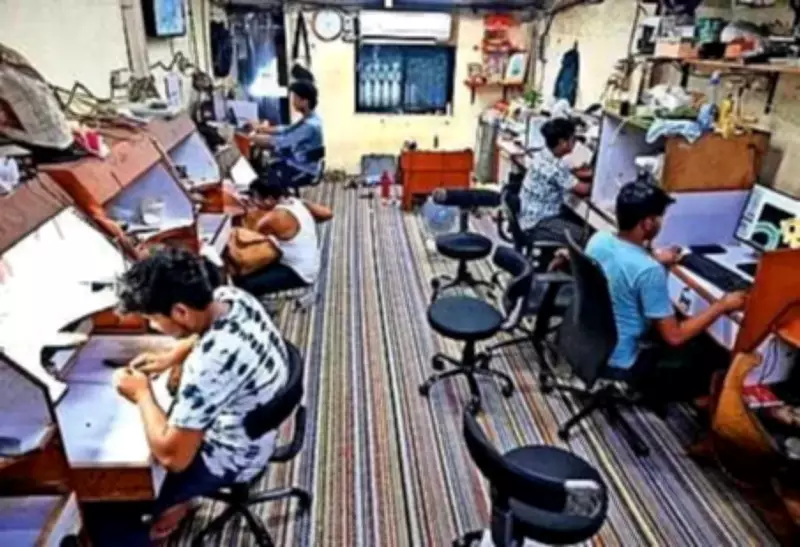
In the heart of Mumbai, the historic Zaveri Bazaar has long been synonymous with intricate gold jewelry craftsmanship. Over the past few days, as temperatures have soared to uncomfortable levels, the small, windowless workshops—known locally as karkhanas—should have been unbearable environments for artisans to work in. Remarkably, many were not. This significant change is due to a quiet revolution that has swept through the market in the past couple of years: the widespread installation of air conditioners by business owners.
Relief for Long-Time Artisans
For workers like Sanjay Sani, who has dedicated 30 years to crafting delicate jewelry pieces in these cramped spaces, the introduction of air conditioning has brought immense relief. "Garmi mein garib insaan bhi bardaash nahi kar paata hai (even a poor man cannot tolerate this heat)," Sani explains, highlighting the harsh reality of working conditions during peak summer months. The shift towards climate-controlled environments began around 2023, according to artisan Sandeep Show, marking a pivotal moment in the bazaar's operational history.
Drivers Behind the Cooling Transformation
Several factors have contributed to this transition. One key element was the need to retain skilled workers after the pandemic, when some artisans returned to their villages in West Bengal, creating a labor shortage. However, the primary catalyst, as emphasized by workers, is the escalating heat. The discomfort stems not only from external temperatures and confined interiors—where eight to ten workers may live and work within a 400-square-foot room—but also from the gold casting machines that generate substantial additional heat.

To exacerbate matters, traditional cooling methods like fans are impractical in these settings. The breeze from fans could scatter fine gold particles produced during the crafting process, potentially leading to material loss and compromised work quality. This limitation made air conditioning not just a luxury but a necessity for maintaining productivity and safety.
Operational Adjustments and Daily Life
Air conditioning has also averted the need to adjust afternoon working hours, as suggested by recent state government advisories for heatwave conditions. Pappi Das, a jewelry designer in the bazaar, notes that air conditioners are typically operated from 3 pm to midnight, aligning with peak heat periods. Most artisans follow a rigorous schedule, working from morning until night with only a brief one-hour break for lunch.
Water access remains a challenge, with workers relying on tap water that is supplied once daily in the early morning. Any additional water needs are met through third-party suppliers, albeit at a cost, underscoring the resource constraints faced in this bustling commercial hub.
Remaining Challenges and Economic Realities
While nearly 80% of Zaveri Bazaar's workshops may now have air conditioners, as estimated by a worker, the remaining establishments continue to operate without this amenity. Many artisans in these spaces have simply accustomed themselves to the difficult conditions, driven by the imperative to earn a livelihood. Sani points out this stark reality, emphasizing that economic necessity often overrides comfort in such environments.
This transformation in Zaveri Bazaar reflects broader trends in urban workplaces adapting to climate change and labor dynamics. As heatwaves become more frequent and intense, the adoption of air conditioning in traditionally non-climate-controlled industries highlights a critical response to environmental and economic pressures.






