

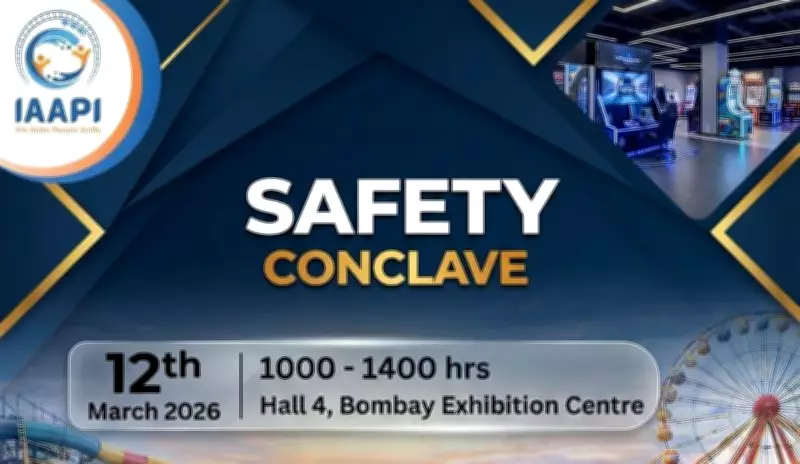
Zero Compromise: The Future of Amusement Safety Starts Here
The amusement industry is undergoing a significant transformation, with safety emerging as the top priority for parks and rides worldwide. As visitor numbers surge, the demand for enhanced protection measures has never been higher, driving innovations that promise a future of zero compromise in safety standards.
Technological Advancements Leading the Way
Advanced technologies such as Artificial Intelligence (AI) and the Internet of Things (IoT) are at the forefront of this safety revolution. AI-powered systems are being deployed to monitor rides in real-time, detecting potential malfunctions before they escalate into hazards. For instance, sensors integrated into roller coasters can analyze data on speed, vibration, and structural integrity, alerting operators to any anomalies that require immediate attention.
Similarly, IoT devices are enhancing visitor safety by providing continuous connectivity between equipment and control centers. These smart systems enable automated shutdowns in emergency situations and improve maintenance schedules through predictive analytics, reducing the risk of accidents caused by wear and tear.

Global Standards and Regulatory Frameworks
In response to growing safety concerns, international bodies and governments are implementing stricter regulations for amusement parks. New guidelines emphasize regular inspections, staff training, and the adoption of cutting-edge safety technologies. Countries like the United States and members of the European Union are leading efforts to standardize protocols, ensuring that parks adhere to uniform safety measures regardless of location.
Industry experts highlight that these regulations are not just about compliance but about fostering a culture of safety. By mandating zero-tolerance policies for lapses, authorities aim to build public trust and encourage parks to invest in long-term safety solutions.
Challenges and Future Prospects
Despite these advancements, challenges remain in implementing safety technologies across all amusement facilities. High costs associated with AI and IoT systems can be prohibitive for smaller parks, potentially creating disparities in safety standards. Additionally, the rapid pace of technological change requires continuous updates to training and infrastructure, posing logistical hurdles.
Looking ahead, the future of amusement safety is poised for further innovation. Emerging trends include the use of virtual reality for safety drills, blockchain for transparent maintenance records, and biometric systems for visitor monitoring. As the industry evolves, the commitment to zero compromise in safety is expected to drive more collaborative efforts between technology providers, park operators, and regulatory agencies.
In conclusion, the amusement sector is at a pivotal moment where safety is no longer an afterthought but a foundational element. By leveraging technology and adhering to rigorous standards, the industry is paving the way for a safer, more enjoyable experience for visitors globally.






