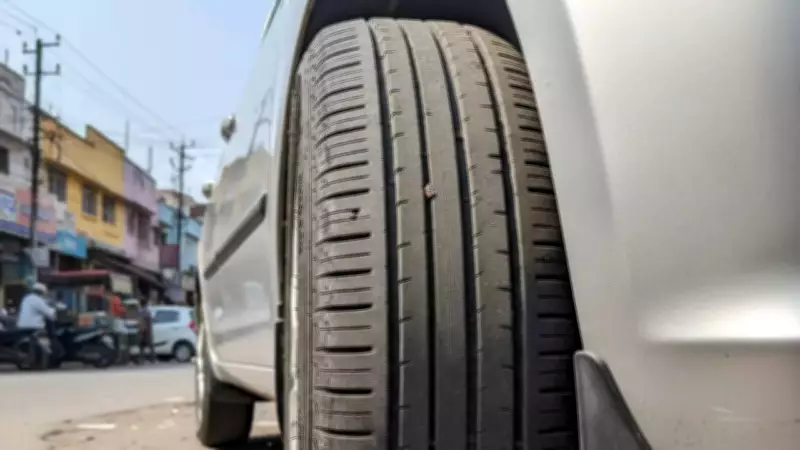
Essential Guide: 5 Critical Signs Your Car Tyres Need Immediate Replacement
Your vehicle relies on just four small patches of rubber—the tyres—to maintain contact with the road surface. Despite this crucial role, tyres are frequently overlooked in routine maintenance. Many drivers diligently schedule oil changes and servicing appointments but neglect to inspect their tyre condition regularly. Knowing precisely when to replace your car's tyres is vital for safety, performance, and cost-efficiency. This comprehensive guide outlines five key signs to help you determine if your tyres require immediate attention.
1. Low Tread Depth: The Most Basic Safety Check
As tyres wear down over time, their grip on the road diminishes significantly, posing a serious risk, especially during wet conditions or sudden braking maneuvers. Most modern tyres are equipped with tread wear indicators—small bars embedded within the grooves. Once the tread wears down to the level of these indicators, the tyre has reached the end of its safe lifespan, and replacement is non-negotiable. Regular checks can prevent hazardous driving situations.
2. Cracks or Bulges on Sidewalls: Hidden Dangers
Take a close, careful look at the sidewalls of your tyres. Cracks, cuts, or bulges are not merely cosmetic issues; they indicate internal weakening that can lead to a sudden blowout, often without any prior warning. A quick walk-around inspection of your vehicle once in a while can help identify these problems early, potentially averting dangerous incidents on the road.

3. Uneven Tread Wear: A Symptom of Underlying Issues
If one tyre appears more worn than the others, or if you notice uneven wear patterns on a single tyre, this is not normal and should raise immediate concern. Such irregularities typically point to alignment problems, balancing issues, or suspension faults within your vehicle. Ignoring these signs will not only shorten the lifespan of your tyres but also compromise handling and overall driving stability.
4. Excessive Vibrations While Driving: Listen to Your Car
Your vehicle often communicates when something is amiss. Pay attention to unusual sensations such as vibrations through the steering wheel, a slight wobble, or a general feeling that the car is not firmly planted on the road. These symptoms can be directly related to tyre issues, including imbalance or internal damage. It is advisable to have these checked by a professional before the situation escalates into a more severe problem.
5. Tyres Older Than Six Years: Age Matters More Than Mileage
Tyre replacement should not be based solely on mileage; age is a critical factor as well. Over time, rubber compounds harden and lose their elasticity, even if the tread depth appears adequate. If your tyres are over six years old, consider replacement to ensure optimal performance. Aged rubber does not respond effectively in emergency scenarios, compromising safety.
Additional Considerations: Tyre Pressure and Fuel Efficiency
Maintaining proper tyre pressure is essential for both safety and economy. Underinflated tyres wear out faster and negatively impact fuel efficiency by increasing rolling resistance, which forces the engine to work harder. Regularly check and adhere to the manufacturer's recommended pressure levels. If you observe a sudden increase in fuel consumption, worn tyres could be the culprit, highlighting the interconnectedness of tyre care with overall vehicle performance.