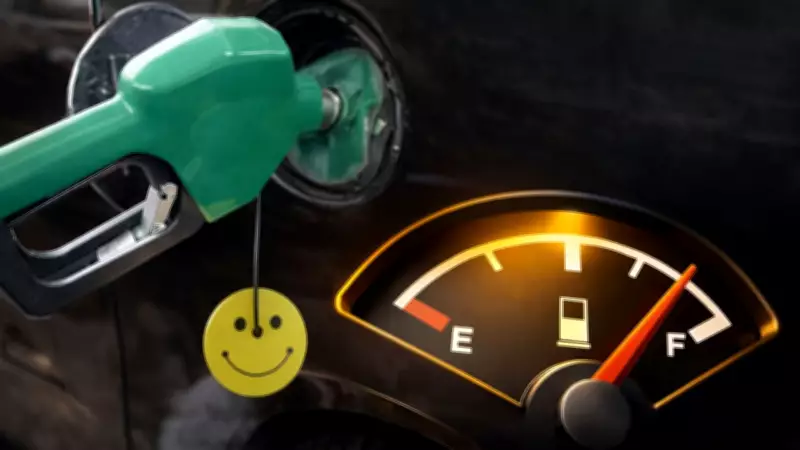
Maximizing Fuel Efficiency: Essential Strategies for Indian Car Owners
As fuel prices continue to fluctuate unpredictably and daily commuting expenses escalate, optimizing fuel efficiency has emerged as a critical concern for vehicle owners across India. Despite significant advancements in automotive engineering and technology, real-world mileage frequently falls short due to a combination of factors including aggressive driving patterns, pervasive traffic congestion, irregular maintenance schedules, and carrying unnecessary weight. The good news is that enhancing your car's fuel economy doesn't require expensive upgrades or complex modifications. By implementing straightforward adjustments to your driving technique, adhering to consistent vehicle upkeep, and adopting smarter trip management, you can achieve substantial reductions in fuel consumption and operational costs.
1. Master the Art of Smooth and Steady Driving
Smooth, controlled driving is paramount for improving fuel efficiency, especially within India's challenging traffic environments. Sudden, rapid acceleration dramatically increases fuel usage, while harsh, late braking wastes the energy already expended to build momentum. Maintaining a consistent speed, anticipating traffic flow well ahead, and easing off the accelerator early instead of braking at the last moment can collectively lower fuel consumption. Gentle throttle application allows the engine to operate within its most efficient performance band. Over the long term, this mindful driving approach not only boosts mileage but also minimizes wear on critical components like brakes and tires, leading to reduced overall maintenance and running expenses.
2. Consistently Maintain Recommended Tire Pressure
Keeping your tires inflated to the manufacturer's recommended pressure is a remarkably simple yet highly effective method to enhance fuel economy. Under-inflated tires create greater rolling resistance, compelling the engine to exert more effort and consume additional fuel, a problem exacerbated in stop-and-go urban traffic. Incorrect tire pressure can also compromise vehicle stability, steering responsiveness, and braking performance, posing safety risks. Conducting regular tire pressure checks helps improve mileage, encourages even tire wear, extends tire lifespan, and ensures a smoother, more comfortable driving experience.

3. Commit to Regular and Timely Vehicle Servicing
Routine vehicle servicing plays a vital role in sustaining optimal fuel efficiency and overall automotive performance. Timely engine oil changes reduce internal friction, allowing the engine to run more smoothly, while clean air filters facilitate efficient combustion by ensuring adequate airflow. Clogged or dirty filters can force the engine to use more fuel, and improper engine tuning can adversely affect mileage. Scheduled servicing also enables the early detection of minor mechanical issues, supporting better efficiency, enhanced reliability, and lower long-term operational costs.
4. Avoid Unnecessary Aftermarket Modifications
Installing aftermarket accessories such as non-standard spoilers, along with fitting larger or wider tires, can negatively impact your car's fuel efficiency. Spoilers not specifically designed for your vehicle often disrupt aerodynamic flow instead of improving it, increasing drag and forcing the engine to work harder, particularly at higher speeds. Similarly, oversized tires elevate rolling resistance and add extra weight, leading to higher fuel consumption during acceleration and routine driving. These modifications can also alter the vehicle's gearing and suspension geometry, further diminishing efficiency. While such upgrades might enhance visual appeal or road presence, they typically come at the expense of reduced mileage and increased running costs over time.

5. Reduce Excess Weight and Minimize Aerodynamic Drag
Eliminating unnecessary weight and drag is crucial for improving fuel efficiency. Carrying unneeded items in the boot adds load, making the engine work harder during acceleration and on inclines, which increases fuel usage. Roof carriers and roof-mounted luggage further degrade efficiency by introducing aerodynamic drag, especially at highway speeds. Removing unused roof racks and limiting extra cargo weight can improve mileage and reduce wear on tires, suspension, and brakes, thereby lowering overall running costs.
6. Use the Correct Gear for Your Speed
Selecting the appropriate gear is essential for maintaining fuel efficiency. Remaining in a lower gear at higher speeds raises engine revolutions and fuel consumption, while using a higher gear at low speeds can strain the engine. Early upshifts in manual transmission vehicles and avoiding high revs help keep the engine within its efficient operating range. In automatic cars, gentle throttle inputs encourage earlier upshifts and better mileage. Proper gear usage also reduces engine wear and supports smoother everyday driving, contributing to long-term vehicle health and cost savings.