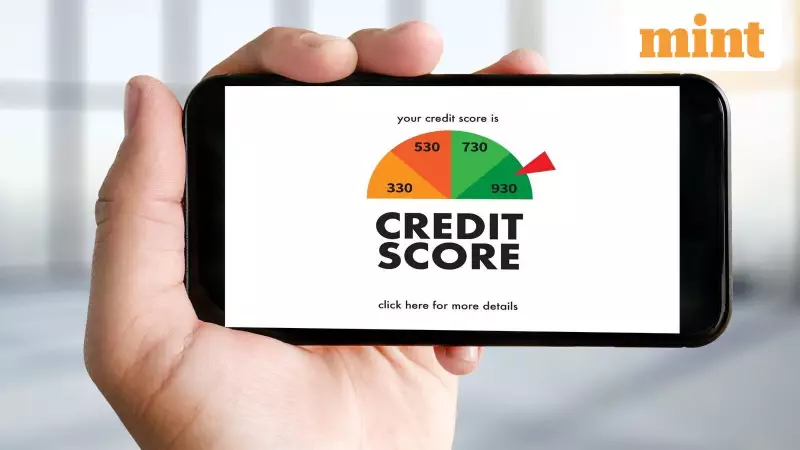
Planning to apply for a loan soon? Your credit score will be the most critical factor in determining your success. In the Indian financial landscape, a strong credit score is not just a number; it's your passport to affordable credit. A score above 700 is generally considered good, opening doors to loan approvals and securing lower interest rates. Conversely, a score dipping below this threshold can create significant hurdles, turning your loan journey from challenging to nearly impossible.
Understanding Credit Score Ranges and Associated Risks
Leading credit bureaus in India, including CRIF High Mark, CIBIL, Experian, and Equifax, assign these crucial three-digit numbers. Lenders rely on them to assess an applicant's repayment capability. The score you hold places you in a specific category, each with its own level of lender concern and implications.
The general classification is as follows:

- 800-850 (Excellent): Faces no concern. Borrowers can expect the best interest rates and easy approvals.
- 740-799 (Very Good): Faces small concern. Loans are approved easily, often with competitive rates.
- 670-739 (Good): Faces moderate concern. While most loans are approved, they may come with slightly higher interest rates.
- 580-669 (Fair): Faces significant concern. Applicants encounter high interest rates and strict approval conditions.
- Below 580 (Poor): Faces high concern. Loan approvals become difficult, rates are high, and lenders may demand secured loans or co-signers.
Note: The exact score ranges can vary between different banks and NBFCs (Non-Banking Financial Companies).
A score below 600 should particularly set off alarm bells for any prospective borrower. The severity of the situation, however, also hinges on the type of loan you seek and whether you approach a traditional bank or an NBFC.
Key Consequences of a Low Credit Score
What exactly happens when your credit score is low? The repercussions extend beyond a simple 'yes' or 'no' on your application.
Higher Interest Rates: This is the most direct impact. To offset the perceived risk of lending to someone with a low score, banks and NBFCs will levy a much higher rate of interest on your personal loan.
Outright Loan Rejections: Financial institutions can and do reject loan applications outright. A poor score makes it hard to get approved not just for personal loans, but also for credit cards and mortgages.
Reduced Credit Limits: Even if approved, you might be offered a loan amount or credit limit that is far lower than what you applied for or need.
Stringent Loan Terms: The process becomes more cumbersome. Lenders may ask for extensive documentation, higher down payments, or even collateral—terms not typically required from applicants with healthy credit profiles.
The Path Forward: Improve Before You Apply
The clear message from financial experts is to proactively manage your credit health. If your score is below 670, it is highly advisable to focus on improving your credit score before starting the loan application process. Timely payments of existing EMIs and credit card bills, keeping credit utilization low, and rectifying any errors in your credit report are essential steps.
Remember, a credit score is a dynamic number. With disciplined financial behavior, you can rebuild it over time, ensuring that when you need a loan, you are in the strongest possible position to secure it on favorable terms.