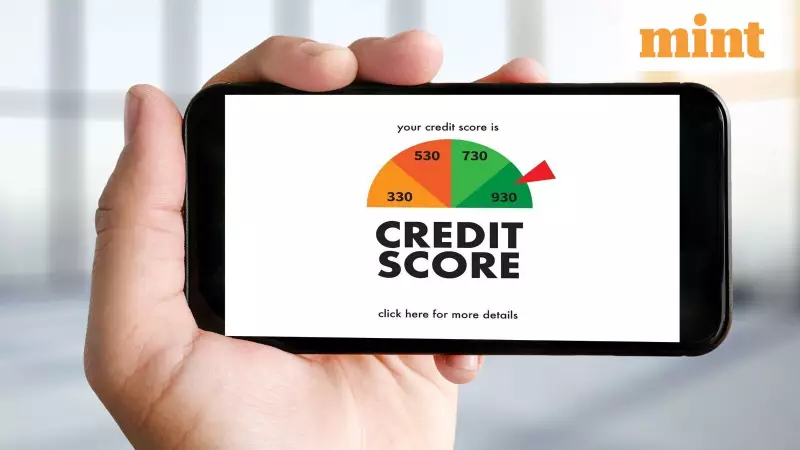
In today's data-driven financial landscape, your credit score has become the most critical factor determining the cost of borrowing. Lending institutions and credit card issuers in India now heavily rely on this three-digit number to assess risk and set terms. A strong score, typically considered to be above 750, can be your passport to significantly better credit card deals, including lower interest rates and favourable conditions.
Understanding Your Credit Score: The 300-900 Scale
Major credit bureaus in India, including CIBIL, CRIF High Mark, Equifax, and Experian, provide individuals with their credit scores. These scores operate on a standard scale ranging from 300 to 900. Lenders interpret this number as a direct reflection of your financial trustworthiness and ability to manage debt. Crucially, any score below 650 is viewed as weak, signalling potential financial mismanagement and higher risk to the bank.
Why Lenders Tie Interest Rates to Your Credit Score
Credit card interest rates in India are notoriously high, often swinging between 30% to 42% per annum. The final rate offered to you is not arbitrary; it's a calculated decision based on your risk profile, past payment history, and crucially, your credit score. By linking rates to scores, banks create a more robust and financially sound lending system. A high score indicates lower risk, giving the institution the confidence to offer more competitive terms.

How Banks Decode Your Credit Score Number
Lending institutions categorise scores into clear risk bands:
- 750 and above: This signals lower lending risk and solid repayment potential. It's the golden zone for borrowers.
- 650 to 749: This is a moderate score, often suggesting occasional payment delays or higher credit utilisation.
- Below 650: This is a serious red flag for lenders, indicating a poor repayment history and a tangible risk of default.
Simply put, a better score translates into greater comfort for the lender, which results in competitive interest rates, special offers, and lucrative rebates for you.
The Direct Impact on Your Credit Card Costs
Your credit score doesn't just affect approval; it directly shapes the cost and benefits of your credit card.
Lower Interest Rates: A strong credit score can help you qualify for cards with lower finance charges, directly reducing the cost of revolving credit.
Higher Credit Limits: Financial institutions are more willing to extend higher limits to low-risk users. This helps you maintain a healthy credit utilisation ratio, which further boosts your score.
Access to Premium Cards: Top-tier credit cards with lucrative rewards, travel benefits, and insurance are typically reserved for those with a high credit score, preferably over 750, and a clean credit profile.
Faster Approvals: A high score streamlines the application process, often requiring fewer documents and minimising additional checks.
Better Balance Transfer Offers: Borrowers with an excellent credit profile frequently receive low-interest or even zero-interest balance transfer options, making debt management easier and cheaper.
Maintaining a Score That Works for You
To ensure your credit score keeps your borrowing costs in check, follow these essential practices:
- Always pay your credit card bills in full and on time.
- Maintain a credit utilisation ratio of under 30%.
- Avoid multiple hard inquiries on your credit report in a short span.
- Regularly check your credit report and promptly dispute any errors or discrepancies.
In conclusion, while credit cards offer convenience, aspiring applicants must understand the associated risks like high-interest debt, overspending, and potential fraud. A strong credit score is your most powerful tool to navigate this landscape safely and cost-effectively. It empowers you to access credit on your terms, ensuring the plastic in your wallet is a financial aid, not a burden.