

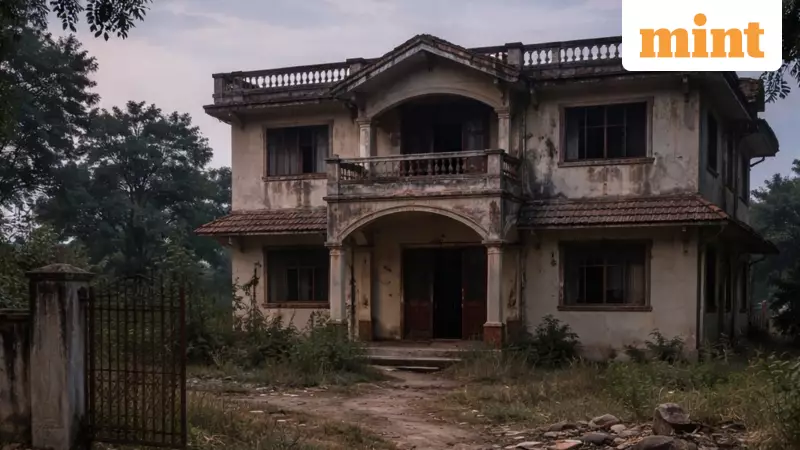
The Ghost Mansion Phenomenon in Rural India
You can spot them across the Indian countryside. Drive through the verdant landscapes of Kerala, the coastal stretches of Konkan, or the expansive fields of Bihar and Punjab. Among simple village dwellings, a towering structure suddenly appears. This three-story concrete palace gleams with fresh paint. It features elaborate grillwork, an imposing gate, and a terrace vast enough for a cricket match.
Look closer, however. The windows stay dark. The gate remains locked, showing signs of rust. Only a weary watchman or an elderly relative occupies a single ground-floor room. This is the Ghost Mansion. A successful professional working in Mumbai, Dubai, or Bengaluru typically builds it. He invests sixty lakh rupees in construction. He travels home for the grand Griha Pravesh ceremony, feeds the entire village, and feels triumphant. Three days later, he locks the mansion and returns to his small rented city apartment, where he argues with his landlord about water supply.
You essentially build a castle for neighbors to admire while you reside in a cramped city flat to finance it.

The Psychology Behind Brick and Mortar Respect
In India, real estate represents more than an asset. It tells a family story. For those who grew up in modest mud houses, constructing a solid, multi-story home signifies ultimate success. It acts as a billboard announcing to the village, "My son has made it." The sad irony is that this house is seldom built for the occupant's practical needs. It is constructed for the Neighbor's Gaze.
You add a second floor not because you require extra rooms, but because Sharmaji's son built one last year. You install Italian marble in a house that will mostly gather dust and spiderwebs. The decision stems from social pressure, not necessity.
The Financial Black Hole of Vacant Mansions
Financially, the Ghost Mansion ranks among the most destructive choices an Indian professional can make. Let us examine the math of this dead asset.
- Zero Rental Yield: In a metropolitan city, an eighty lakh rupee flat might generate twenty thousand rupees in monthly rent. In a village, an eighty lakh mansion yields nothing. Owners often refuse to rent it out due to fears of encroachment.
- Negative Cash Flow: A closed house deteriorates faster than an occupied one. Paint peels, pipes rust, and terraces leak. You end up spending fifty thousand rupees annually just to repair a house you visit for four days during Diwali.
- The Opportunity Cost: The sixty lakh rupees locked in that concrete structure could have been invested. If placed in a simple mutual fund portfolio for fifteen years, assuming ten percent returns, it could grow to over two and a half crore rupees. That money might fund early retirement, annual world tours for a decade, or premium education for your children. Instead, wealth remains frozen in slowly deteriorating bricks in a remote village.
The "I Will Retire There" Myth
When questioned, the Ghost Mansion builder always offers one defense. He claims he is building it for his retirement, planning to return to his roots. Statistically, this rarely occurs.

- The Lifestyle Gap: After thirty years of city life, you become accustomed to Zepto delivering groceries in ten minutes and Uber arriving in five. Adjusting to village infrastructure at age sixty or sixty-five proves incredibly challenging.
- The Double Construction Trap: Even if you genuinely plan to return after twenty years, building now is a strategic error. By retirement, your twenty-year-old house will seem outdated. The design appears old-fashioned, the plumbing ages, and the layout becomes inefficient. You end up spending money twice—once to build it now, and again to renovate it later. It is far wiser to keep money growing in investments and construct a fresh, modern home suited to your needs when you actually return.
- The Medical Gamble: You lock capital into a specific location today, assuming it will be livable in twenty years. Retirement is when you need healthcare the most. What if the village still lacks a good cardiac hospital in two decades? Keeping money liquid grants freedom to build a house in a nearby tier-two city with better medical infrastructure, rather than being stuck in a remote medical desert because you already poured concrete there.
- The Empty Nest Truth: Your children, who grew up in the city, possess zero emotional connection to the village. They will not live there. Who are you building this legacy for?
Breaking the Ghost Mansion Curse
If you have rural roots, honor them. But honor them with financial sense.
Renovate the house, and do not rebuild. Instead of tearing down the ancestral home to construct a palace, spend five lakh rupees to modernize the toilet and fix the roof. Keep the charm, lose the ego.
Even if you are building, do it for utility, not ego. If you must build, construct a small, beautiful two-bedroom cottage that is easy to maintain. You do not need a banquet hall for a family of four.
Follow the hotel rule. Calculate the interest on sixty lakh rupees, approximately four lakh rupees per year. For that amount, you can stay in the most luxurious five-star resort near your village for a month every year. You will be treated like royalty and have zero maintenance headaches.
Your self-worth is not determined by the height of your boundary wall in the village. Do not sacrifice your financial freedom in the city just to impress neighbors who will not even visit you when you are old. A home is meant to be lived in, not just looked at.





