

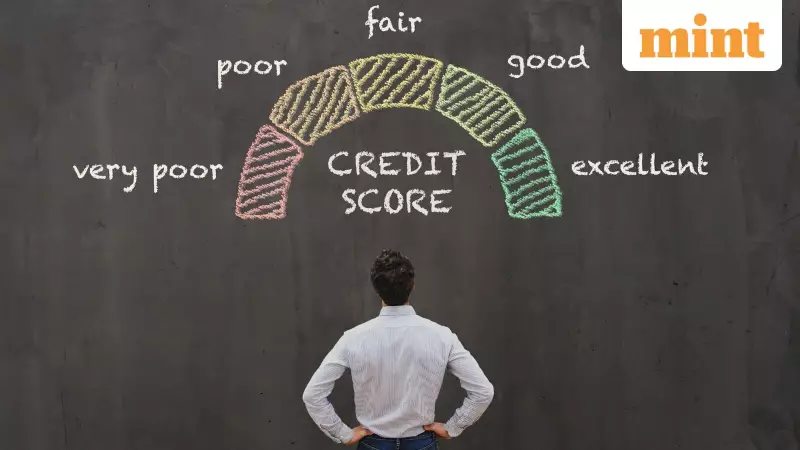
In India's rapidly expanding credit economy, the three-digit credit score has become the cornerstone of financial identity. Lending institutions, from traditional banks to new-age fintechs, increasingly depend on this numerical assessment, which ranges from 300 to 900, to gauge a borrower's reliability. With prominent credit bureaus like CRIF High Mark, Experian, Equifax, and CIBIL employing advanced models to evaluate applicants, understanding the fundamentals of your score is no longer optional—it's essential for long-term economic prosperity.
The Biggest Driver: Your Payment History
The most critical component of your credit score is your track record of repaying debts. Every delayed credit card bill, personal loan EMI, or home loan installment can cause an immediate dip in your score. Financial experts emphasise that a consistent history of timely payments forms the backbone of a healthy credit profile.
To strengthen this pillar, focus on clearing all dues before their due dates. More importantly, avoid any defaults or settlements on personal loans, as such negative marks can linger on your credit report for years, severely hampering your ability to secure future credit.

Managing Credit Utilisation and Behaviour
How you use your available credit is almost as important as your repayment punctuality. A key metric lenders scrutinise is your Credit Utilisation Ratio (CUR), which is the percentage of your total credit limit you are currently using.
It is widely recommended to keep this ratio below 30%. Maxing out your credit cards continuously or maintaining multiple active loans at high utilisation levels signals financial stress and 'credit hunger' to lenders, reducing your overall creditworthiness. Prudent borrowing within your means and disciplined spending are non-negotiable habits for a good score.
Building a Robust Credit Profile Over Time
A well-rounded credit portfolio demonstrates responsible financial management. Lenders favour a healthy mix of secured loans, like home or auto loans, and unsecured credit, such as personal loans and credit cards.
The length of your credit history also adds weight. Older, well-maintained accounts, like a decade-old credit card with a flawless payment record, provide stability and significantly boost your profile. Conversely, frequent 'hard inquiries'—triggered when you apply for new loans or cards—can damage your score. Multiple applications in a short period are red flags for lenders and often lead to rejection.
Why Your Credit Score Matters More Than Ever
As India's lending landscape evolves with more players and the Reserve Bank of India (RBI) pushes for responsible lending, your credit score's role has become paramount. A strong score, typically 750 and above, does more than just improve loan approval odds; it directly influences the interest rates you are offered and unlocks access to premium financial products, including top-tier credit cards.
Ultimately, the formula for a robust credit score is straightforward: a disciplined approach to repayments, moderate credit utilisation, and minimising unnecessary credit applications. Cultivating these habits is the most efficient path to securing long-term financial stability and unlocking economic opportunities in today's credit-driven market.






