When it comes to investing in commodities like gold and silver, investors often face a choice between physical metals and mining exchange-traded funds (ETFs). Understanding the performance differences between these two options is crucial for making informed financial decisions. This analysis delves into the key factors that set them apart and how they can impact your investment portfolio.
What Are Physical Metals and Mining ETFs?
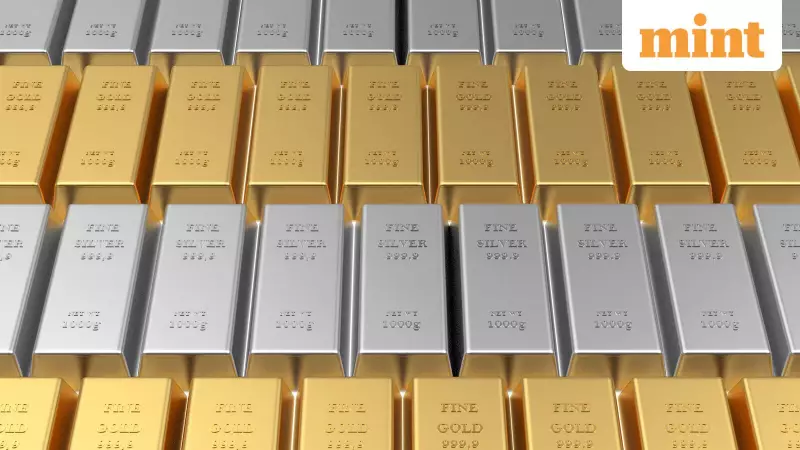
Physical metals refer to tangible assets such as gold bars, silver coins, or other precious metals that you can hold in your possession. In contrast, mining ETFs are investment funds that track the performance of companies involved in the extraction and production of these metals. While both offer exposure to the commodities market, their structures and risk profiles differ significantly.
Performance Factors to Consider
Several elements influence how physical metals and mining ETFs perform over time. These include market volatility, economic conditions, and specific investment characteristics.

- Liquidity and Accessibility: Physical metals can be less liquid, requiring storage and insurance, whereas mining ETFs trade on stock exchanges, offering easier buying and selling.
- Costs and Fees: Holding physical metals often involves storage costs and premiums, while mining ETFs come with management fees that can affect net returns.
- Market Exposure: Physical metals provide direct exposure to commodity prices, while mining ETFs are influenced by company performance, operational risks, and stock market trends.
Analyzing Historical Performance Trends
Historically, physical metals like gold have served as safe-haven assets during economic downturns, often appreciating in value when markets are unstable. Mining ETFs, on the other hand, can offer leveraged returns during bull markets but may underperform if mining companies face challenges such as regulatory issues or production delays.
For instance, during periods of high inflation, physical metals might outperform due to their intrinsic value, whereas mining ETFs could benefit from rising metal prices boosting company profits. However, this is not always the case, as seen in scenarios where operational inefficiencies drag down ETF performance despite favorable commodity prices.
Risk and Diversification Benefits
Investing in physical metals typically involves lower counterparty risk since you own the asset directly, but it lacks diversification within the metals sector. Mining ETFs provide diversification across multiple companies, reducing the impact of any single firm's poor performance, yet they introduce additional risks like management decisions and market sentiment.
It's essential to assess your risk tolerance and investment goals when choosing between these options. A balanced approach might include a mix of both to hedge against different market conditions.
Practical Insights for Investors
To navigate these choices effectively, consider factors such as investment horizon, market knowledge, and access to global markets. For those interested in US ETFs and global investing, staying informed about market trends and regulatory changes is key to maximizing opportunities.
By understanding the nuances between physical metals and mining ETFs, investors can better align their strategies with financial objectives, whether seeking stability or growth in volatile markets.