

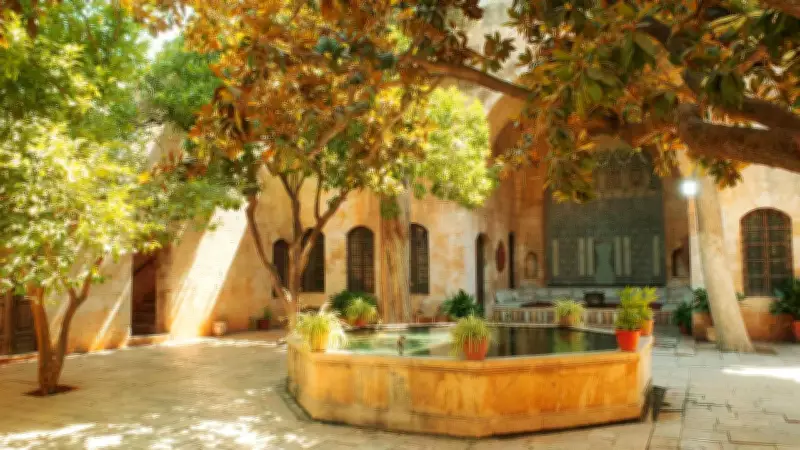
Indian residential design is increasingly returning to its roots. Architects and homeowners are rediscovering heritage-inspired elements that once shaped traditional homes for climate comfort, family life, and visual richness. In modern housing, these features are no longer just decorative; they are being reused for better airflow, natural light, privacy, and a stronger sense of identity. Here are five such features:
Courtyards
Courtyards remain one of the most powerful influences on Indian housing today. Traditional courtyard houses were arranged around a central open space that improved climatic comfort and supported family interaction. In modern homes, courtyards are being revived as bright, breathable cores that bring in daylight, encourage cross-ventilation, and create a calm private heart inside dense urban plots.
Jaali Screens
The jaali is one of the most recognisable Indian design elements making a strong comeback. Historically, perforated screens helped filter harsh sunlight while allowing air movement and privacy. Today, modern housing uses jaali-inspired facades, railings, and partitions to create layered shadows and reduce heat gain. The result is a stylish element that feels traditional, yet also practical for contemporary living.

Jharokhas and Projecting Balconies
Jharokhas, or projecting window balconies, are another heritage feature finding new life in current housing. In Indian architectural history, these small outward-facing balconies added shade, framed views, and gave buildings a distinctive layered façade. Modern homes borrow this idea through recessed and projecting balconies, corner sit-outs, and shaded openings that improve comfort while adding character to the exterior.
Chhatris and Pavilion-Like Roof Forms
Chhatris, the dome-like pavilion structures seen in many Indian monuments and royal architecture, are inspiring modern housing in subtle ways. In warm climates, they work well as overhead canopies or shaded roof features, echoing the idea of light shelter under the open sky. Contemporary homes often reinterpret this through terrace pavilions, rooftop sitting areas, and sculptural canopy forms that blend function with heritage aesthetics.
Natural Materials: Lime Plaster, Stone, and Wood
Material choice is one of the clearest ways heritage is shaping modern housing. Traditional lime plaster is seeing renewed interest because of its breathable and eco-friendly qualities, while local stone and wood are being used to root homes in regional identity. Architects are pairing these materials with modern layouts to create homes that feel warmer, more grounded, and more climate-responsive.
Heritage-inspired design is not simply about copying the past. In modern housing, elements like courtyards, jaalis, jharokhas, chhatris, and natural materials are being adapted to suit today's needs. They bring beauty, comfort, and cultural continuity into homes, while also improving light, shade, ventilation, and sustainability. This blend of old wisdom and new design is shaping a distinctly Indian modern home.






