

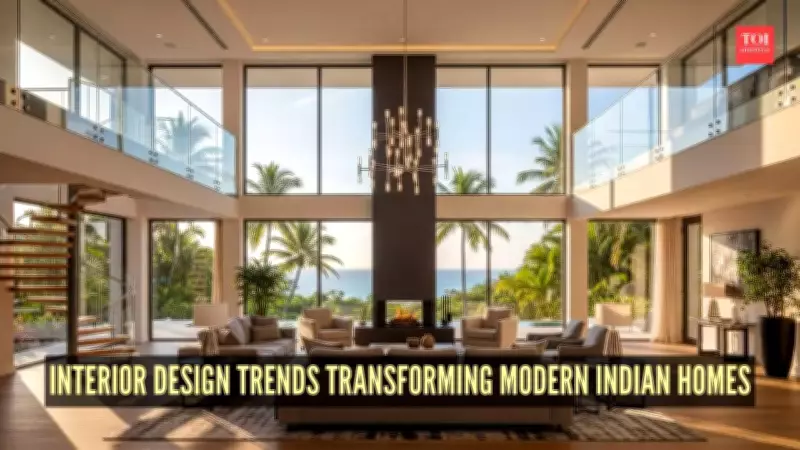
5 Interior Design Trends Reshaping Modern Indian Homes in 2026
Modern Indian homes are undergoing a rapid transformation as evolving lifestyle needs, heightened sustainability awareness, and increasing space constraints fundamentally reshape interior planning approaches. Design professionals are skillfully blending enhanced functionality with deep cultural identity, while wholeheartedly embracing eco-friendly materials and highly personalised aesthetics. Recent trends spotlight a definitive shift toward nature-inspired layouts, compact smart design solutions, artisanal décor elements, bold textural statements, and expressive lighting installations. These interconnected trends collectively reflect a dual emphasis on practical utility and emotional comfort within contemporary living environments.
Nature-Inspired and Sustainable Interiors Gain Prominence
Indian homeowners are increasingly gravitating toward eco-friendly materials, abundant indoor plants, and natural textures that collaboratively create serene, calming environments. Design elements such as sustainable bamboo, handmade clay tiles, woven jute décor pieces, and lush green balconies effectively bring outdoor freshness into urban residential spaces while simultaneously improving physical comfort and visual warmth. This significant shift mirrors growing environmental consciousness among residents and a pronounced desire for healthier living spaces that maintain strong connections to nature, promoting both mental well-being and ecological responsibility.
Smart and Space-Saving Design for Compact Living
With apartment sizes progressively shrinking and metropolitan property prices consistently rising, contemporary interiors now prioritize multifunctional layouts and innovative modular solutions. Foldable furniture systems, sliding partition walls, clever storage units, and strategically optimized lighting schemes help compact homes feel remarkably spacious without sacrificing aesthetic appeal. Such intelligent spatial planning ensures modern Indian families can effectively balance work-from-home requirements, essential storage needs, and visual aesthetics within increasingly limited square footage, demonstrating how design innovation addresses practical urban challenges.

Revival of Artisanal and Culturally Rooted Décor Elements
Handcrafted décor pieces, intricate brass accents, traditional terracotta items, and regional woodwork techniques are experiencing a notable resurgence in modern interiors, often thoughtfully blended with minimalist furniture designs. This creative fusion preserves India's rich regional craftsmanship heritage while maintaining contemporary elegance and functionality. Supporting local artisans through these design choices also aligns perfectly with broader sustainability values, making décor selections both culturally meaningful and visually distinctive, thereby adding layers of storytelling to living spaces.
Bold Colors, Textures, and Personalized Expression
Previously dominant neutral color palettes are gradually giving way to color-drenched rooms, textured wall treatments, and layered finishes such as natural limewash or sophisticated wood panelling. These expressive design choices add visual depth and strong individuality, transforming generic interior layouts into highly personalized environments that authentically reflect homeowners' unique tastes, emotional moods, and cultural influences. This trend marks a departure from standardized design toward more courageous self-expression in domestic spaces.
Statement Lighting as Central Design Focal Point
Lighting has evolved beyond purely functional purposes; sculptural lamps, artistic pendant clusters, and designer chandeliers are now being strategically employed to define ambient atmosphere and establish visual hierarchy within rooms. Thoughtfully planned lighting schemes enhance textural details, highlight decorative elements, and shape emotional atmosphere, establishing illumination as a central, transformative element in contemporary Indian interior styling that influences both perception and experience.

Interior design in modern Indian homes is moving decisively toward a balanced integration of sustainability principles, cultural identity preservation, efficient space utilization, and expressive aesthetics. From eco-conscious materials and intelligent layouts to artisanal décor and dramatic lighting, these evolving trends reveal a deeper societal focus on comfort and individuality rather than uniform luxury displays. As Indian lifestyles continue evolving dynamically, residential interiors are becoming increasingly personal, practical, and emotionally engaging living environments that respond to both global influences and local traditions.





