

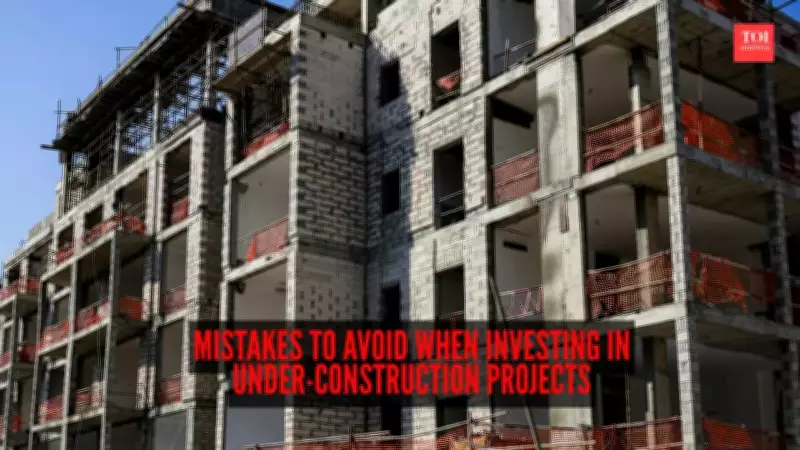
Navigating the Risks of Under-Construction Real Estate Investments
Investing in under-construction properties often appears attractive due to lower entry prices, flexible payment plans, and the promise of future appreciation. However, these advantages come with substantial risks, including legal complexities, construction delays, and financial uncertainties. Without proper due diligence, investors may face losses, delayed possession, or even fall victim to fraudulent schemes. Understanding and avoiding common pitfalls is essential for safeguarding both finances and peace of mind in real estate ventures.
1. Ignoring RERA Registration and Legal Approvals
One of the most significant errors is investing in a project without verifying its registration under the Real Estate Regulatory Authority (RERA) or confirming necessary legal permissions. Projects lacking proper approvals are prone to delays, disputes, or fraudulent activities, potentially trapping buyers in incomplete or illegal developments. It is crucial to check official RERA listings, scrutinize builder credentials, and review complaint histories before committing any funds to ensure compliance and legitimacy.
2. Trusting Unrealistic Promises or Unclear Documentation
Developers may lure investors with guaranteed returns, deep discounts, or vague promises, often without providing essential documentation. Investors must be cautious of situations where developers fail to present sanctioned plans, financial disclosures, or proper agreements. To avoid misleading offers that could jeopardize an entire investment, always demand clear, legally binding documents and verify all claims independently.

3. Underestimating Delays, Quality Risks, and Changing Specifications
Delays in construction are common in under-construction projects, often due to funding issues, regulatory hurdles, or labor bottlenecks. Additionally, compromises in construction quality or alterations to original plans and facilities can introduce further uncertainties. Verifying delivery timelines and assessing the builder's track record for past projects are integral steps to mitigate these risks and set realistic expectations.
4. Misjudging the True Financial Burden
Many investors focus solely on the base property price, overlooking additional costs such as GST, registration fees, maintenance charges, interior expenses, and loan repayments. Ignoring these expenses can strain finances or reduce overall profitability. Proper budgeting, maintaining emergency reserves, and realistic repayment planning are necessary to prevent long-term financial stress and ensure the investment remains sustainable.
5. Failing to Assess Resale Value, Location, and Exit Strategy
An under-construction property may not appreciate as expected if the location lacks essential infrastructure, connectivity, or long-term demand. Market fluctuations during the construction period can also impact resale value and rental income. Evaluating growth potential, reviewing infrastructure plans, and considering exit options are vital to ensure the investment remains viable and profitable over time.
Conclusion: A Path to Safer Real Estate Decisions
Investing in under-construction real estate projects can be highly beneficial, but it demands caution and informed judgment. Key steps include verifying legal compliance, scrutinizing unrealistic claims, anticipating delays, and thorough financial planning. By avoiding these common mistakes and conducting diligent research, investors can confidently navigate the complexities of under-construction projects and make wise, secure decisions in the real estate market.






